

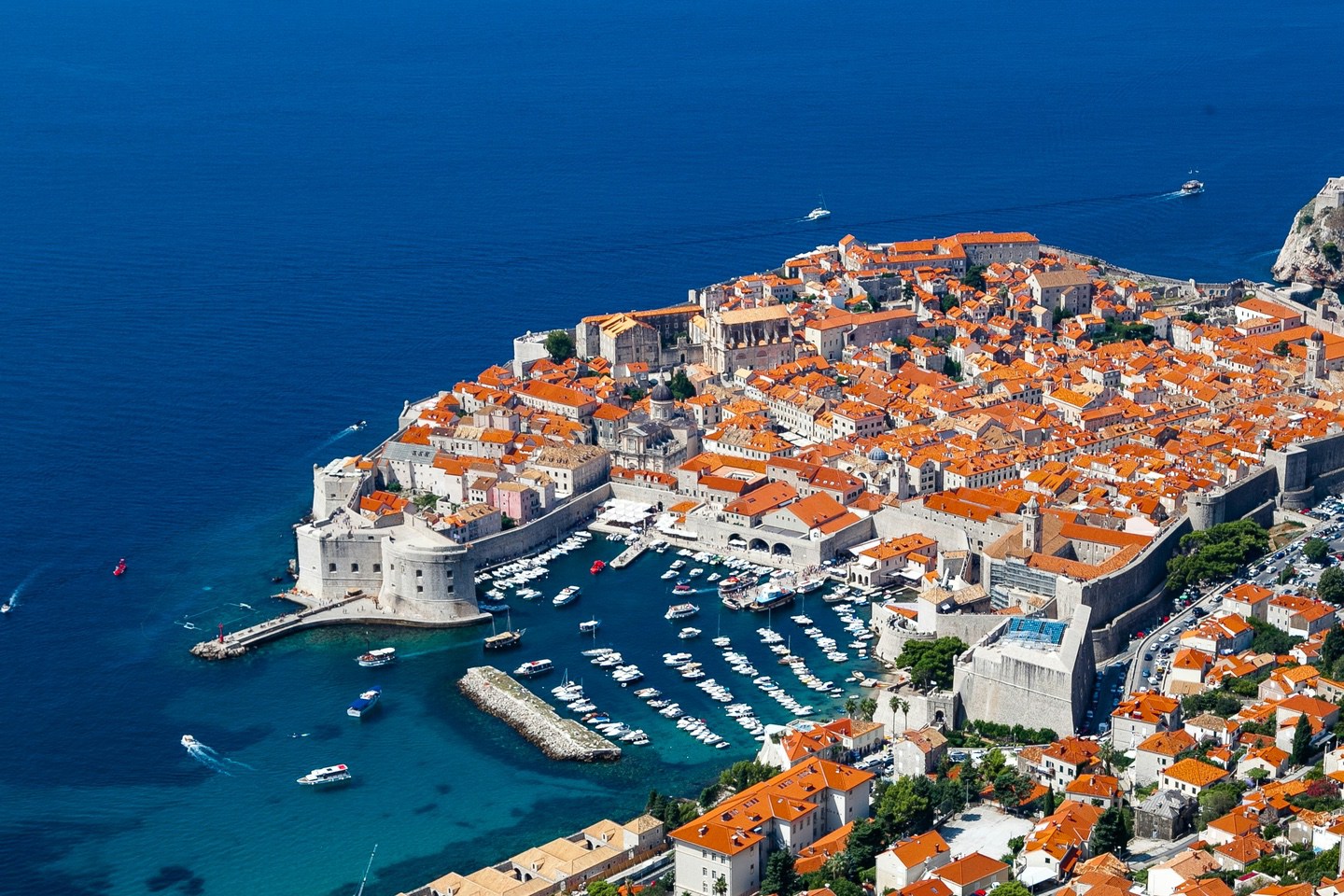
Dubrovnik is the kind of place that makes time feel negotiable: polished limestone streets, terracotta roofs, and fortifications that still hold the city in a firm, elegant grip. Between the Adriatic and the mountains, it’s both cinematic and precise — a former maritime republic built for trade, diplomacy, and survival, now one of Europe’s most magnetic old towns.
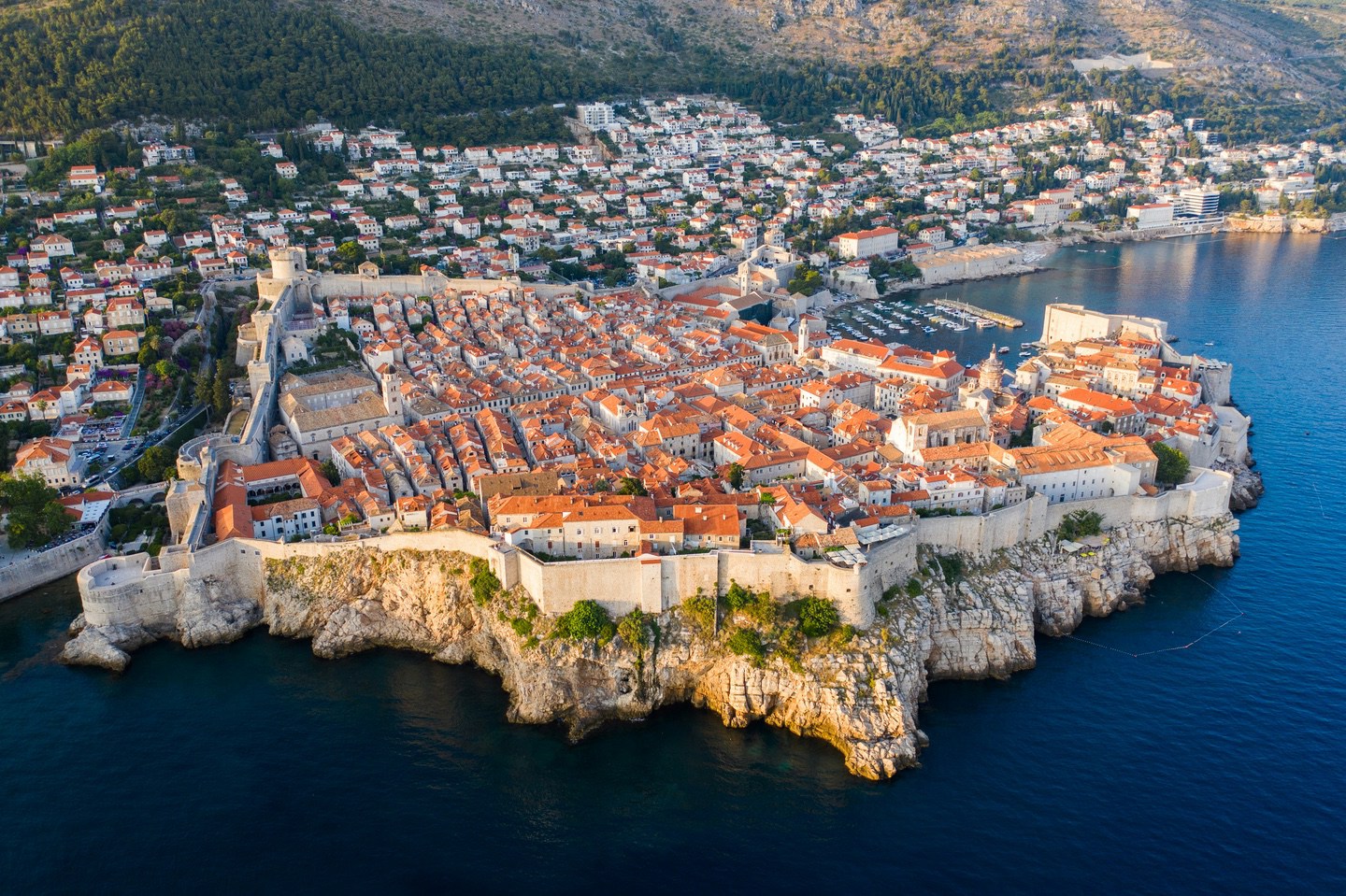
Dubrovnik
If you can, choose your timing. July and August deliver the full Mediterranean spectacle — and the full crowd — especially with cruise arrivals. But Dubrovnik is at its best when you can hear your own footsteps: in spring (April–May), when the days turn mild and the city starts to wake up, and again in September, when the sea stays warm while the streets exhale.
Everything in Dubrovnik begins at a gate. The transition from modern Croatia into the walled city is not gradual; it is immediate. One step and the asphalt disappears, replaced by polished limestone that has been worn smooth over centuries. From here, the city unfolds in a measured sequence — fountains, monasteries, squares, and fortifications — but first, you pass through its threshold.
The Gates: West and East
Most visitors enter through Pile Gate, the main western portal built in the 16th century. It is the city’s most theatrical arrival: a stone bridge, an arched passage, and immediately the sense of compression as crowds funnel inward. In summer, this is where Dubrovnik’s popularity becomes visible — cruise passengers, guided groups, a steady human tide moving beneath the same arch merchants once used to enter the Republic.
On the opposite side lies Ploče Gate, the eastern entrance constructed in the 15th century as part of the city’s defensive system. With its fortified towers and former drawbridge, it feels more deliberate, almost strategic — a reminder that Dubrovnik was not simply beautiful, but careful. Approaching from here, with the Adriatic just beyond, you sense how tightly controlled access once was. Between these two gates runs the polished spine of the city — Stradun.
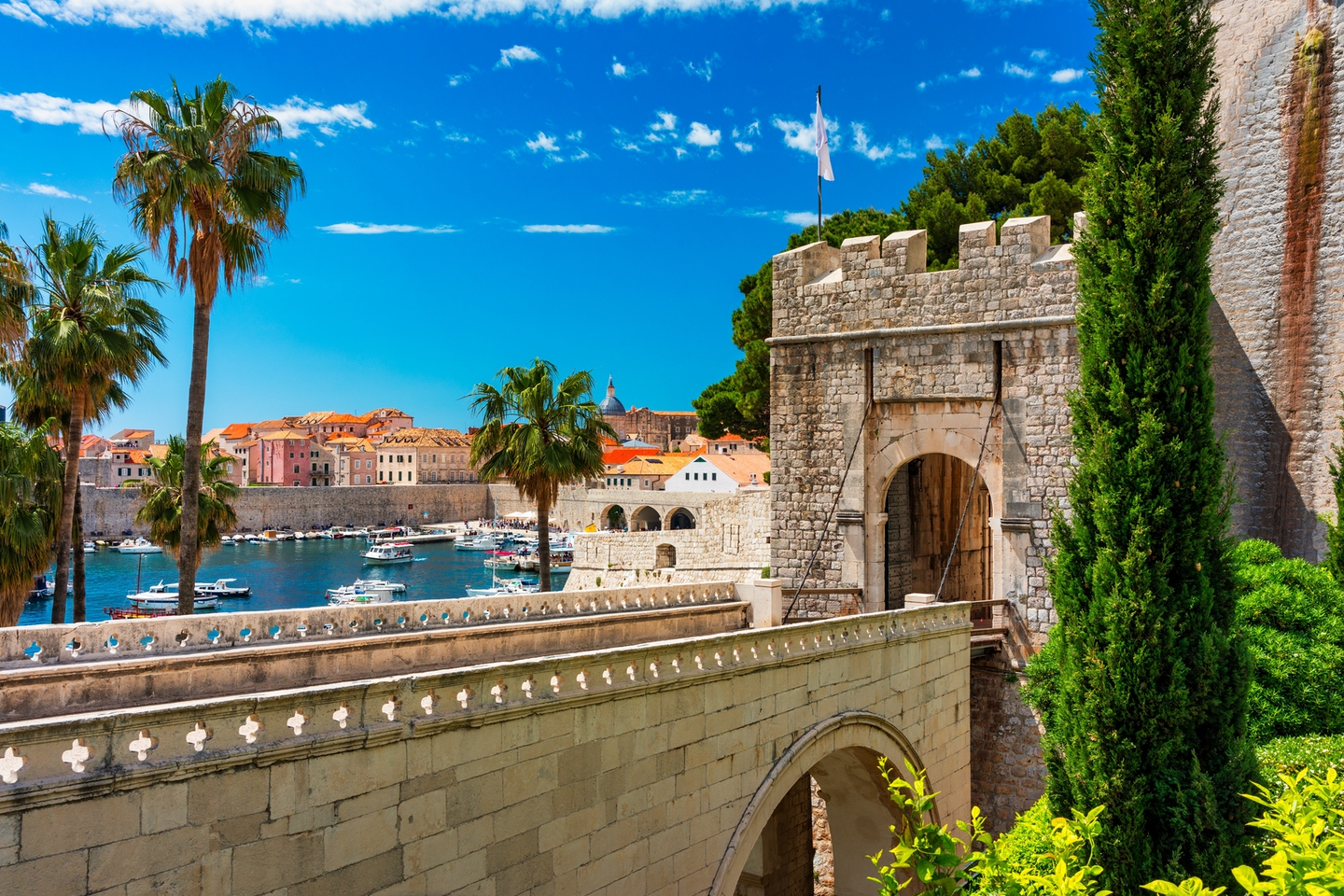
Ploce Gate
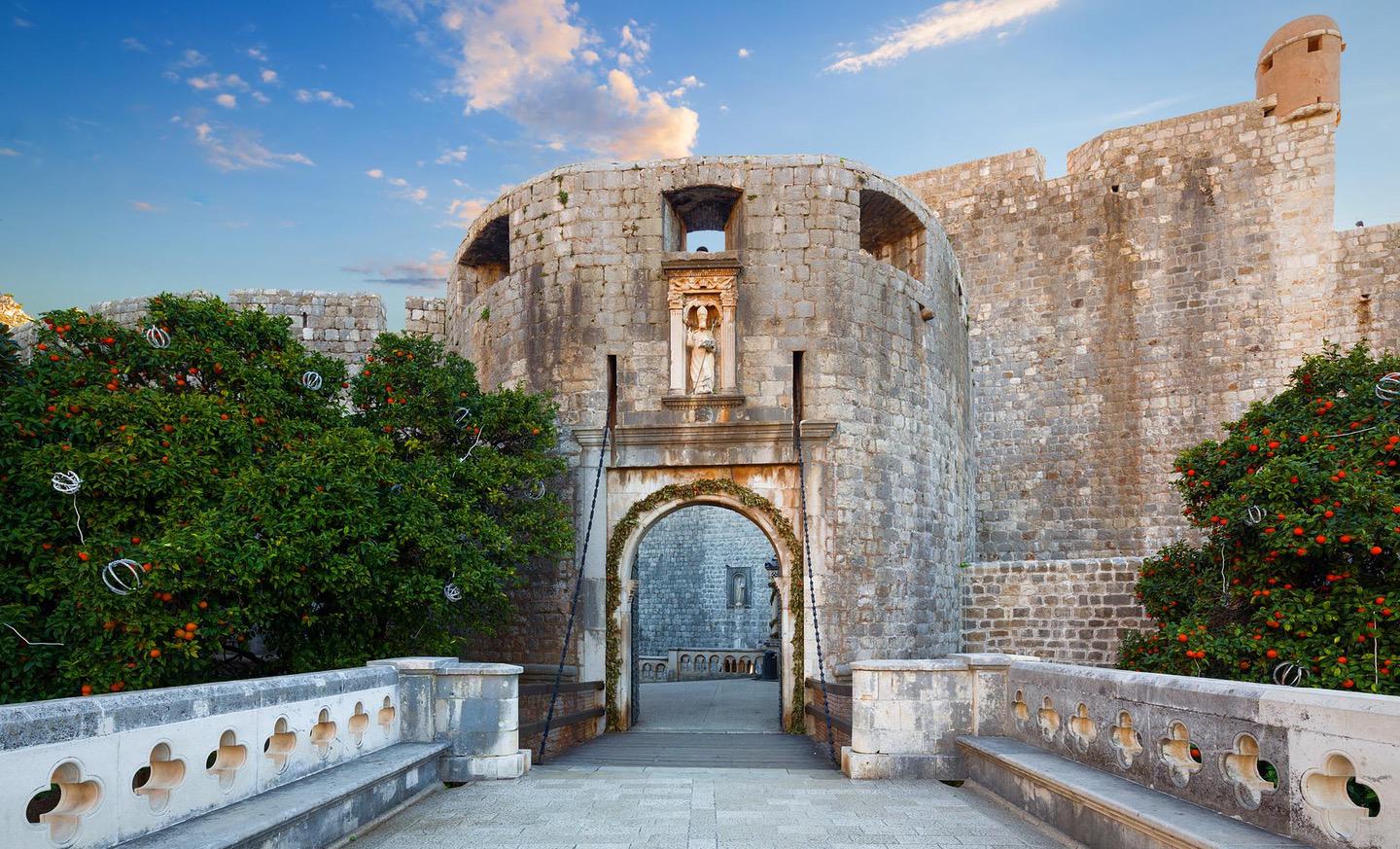
Pile Gate
Stradun — The Limestone Axis
Stradun is only about 300 metres long, yet it contains the entire rhythm of Dubrovnik. The limestone underfoot has been polished to a quiet sheen by centuries of movement, reflecting morning light and evening glow alike. It connects Pile Gate in the west to Luža Square and Ploče Gate in the east — a straight, deliberate line through what is otherwise a city of narrow lanes and sudden staircases.
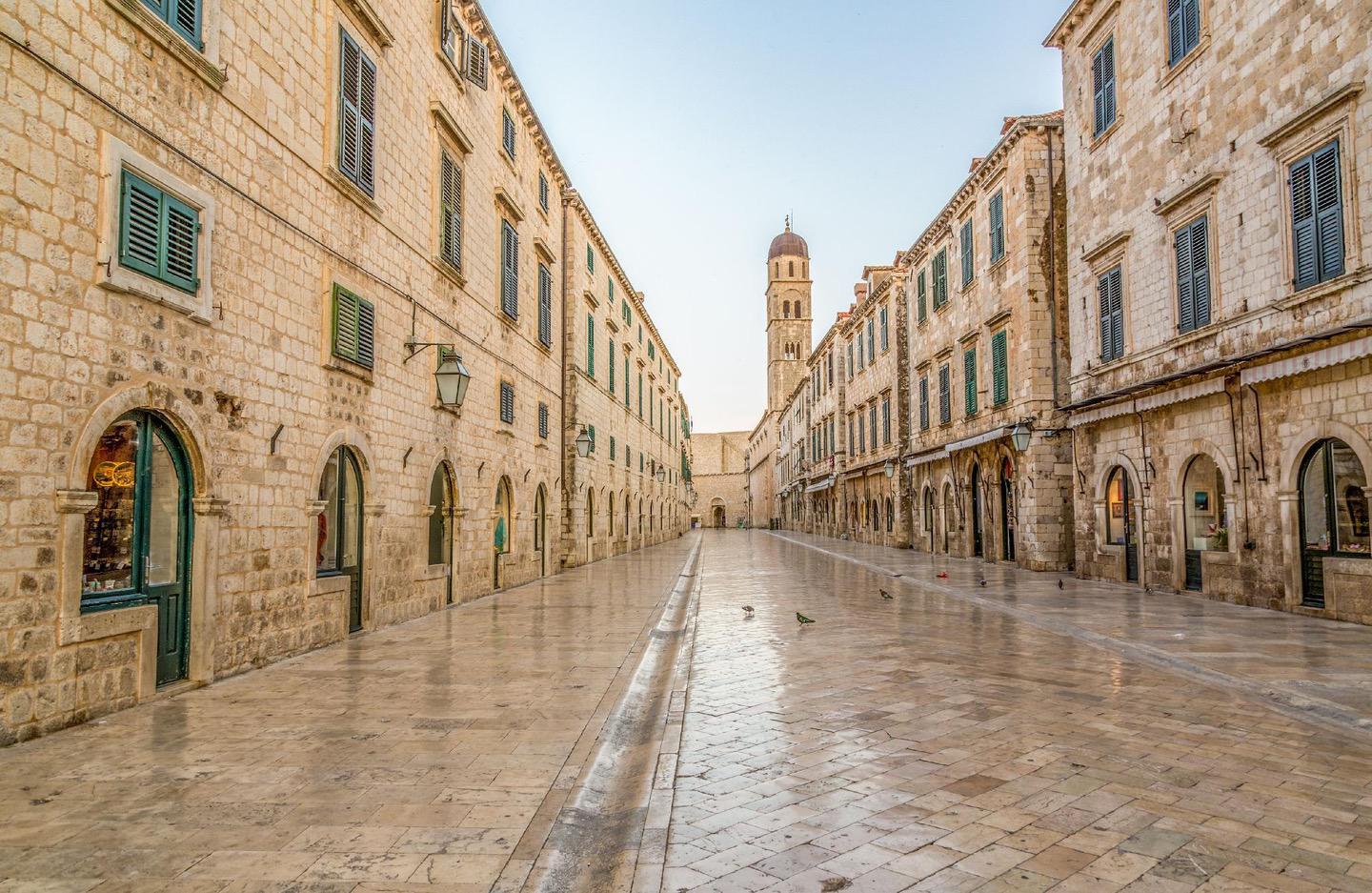
Stradun
Just inside the western entrance stands Onofrio’s Fountain, built in the 15th century as part of an ambitious water system designed by the Neapolitan architect Onofrio della Cava in 1438. At the time, Dubrovnik was already a serious trading power, and access to fresh water was a strategic necessity. Today, the fountain is a meeting point — practical then, practical now — and beside it you’ll find the tourist office and the Dubrovnik Pass counter.
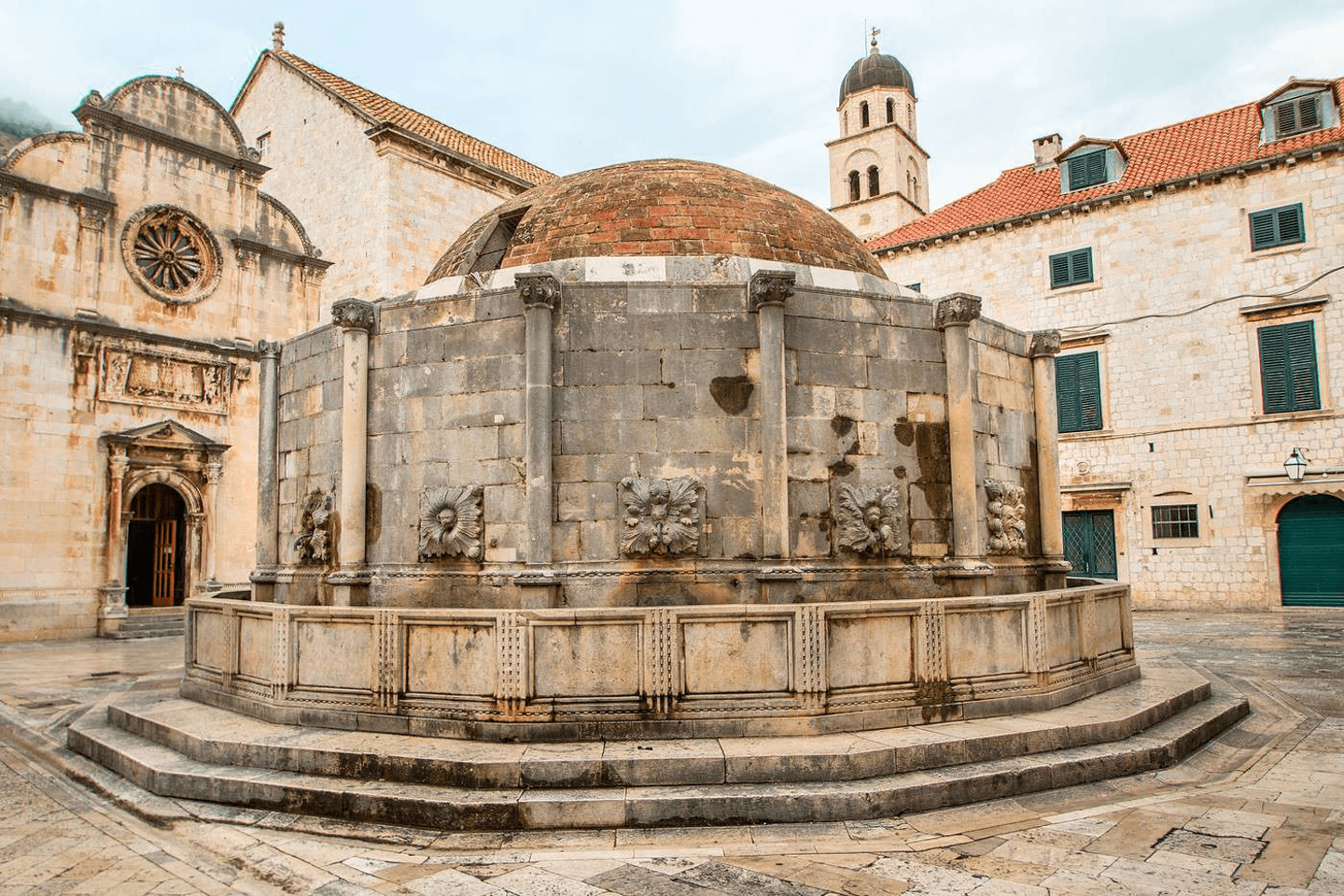
Onofrio’s Fountain
To the right rises the Franciscan Monastery, home to one of the oldest working pharmacies in Europe. Its cloister is restrained and geometric, offering a pause from the brightness of the street, while the small museum preserves manuscripts and religious artefacts that quietly trace the city’s intellectual life.
Walk a little further and Stradun begins to widen. You are approaching the city’s civic heart.
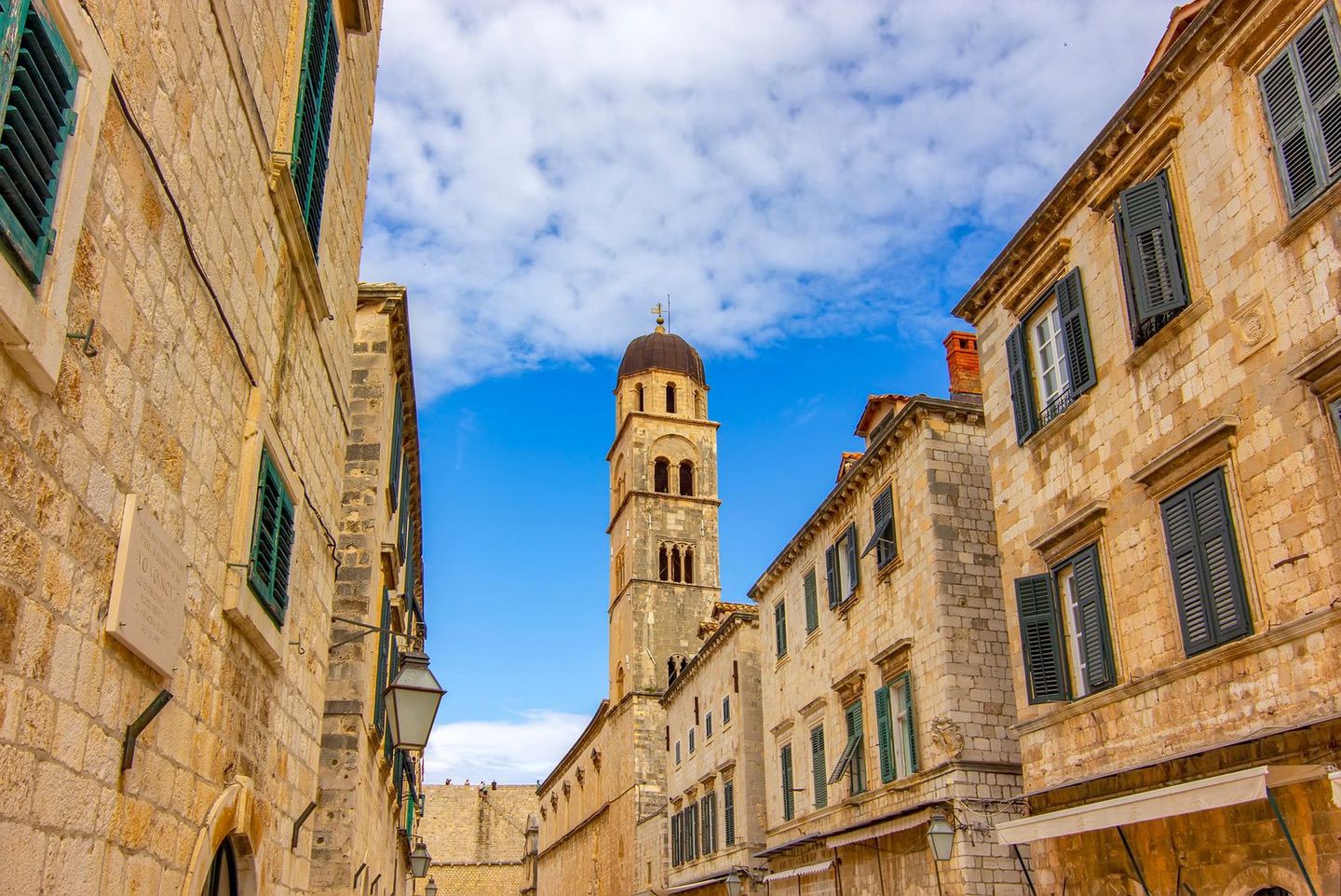
Franciscan Monastery
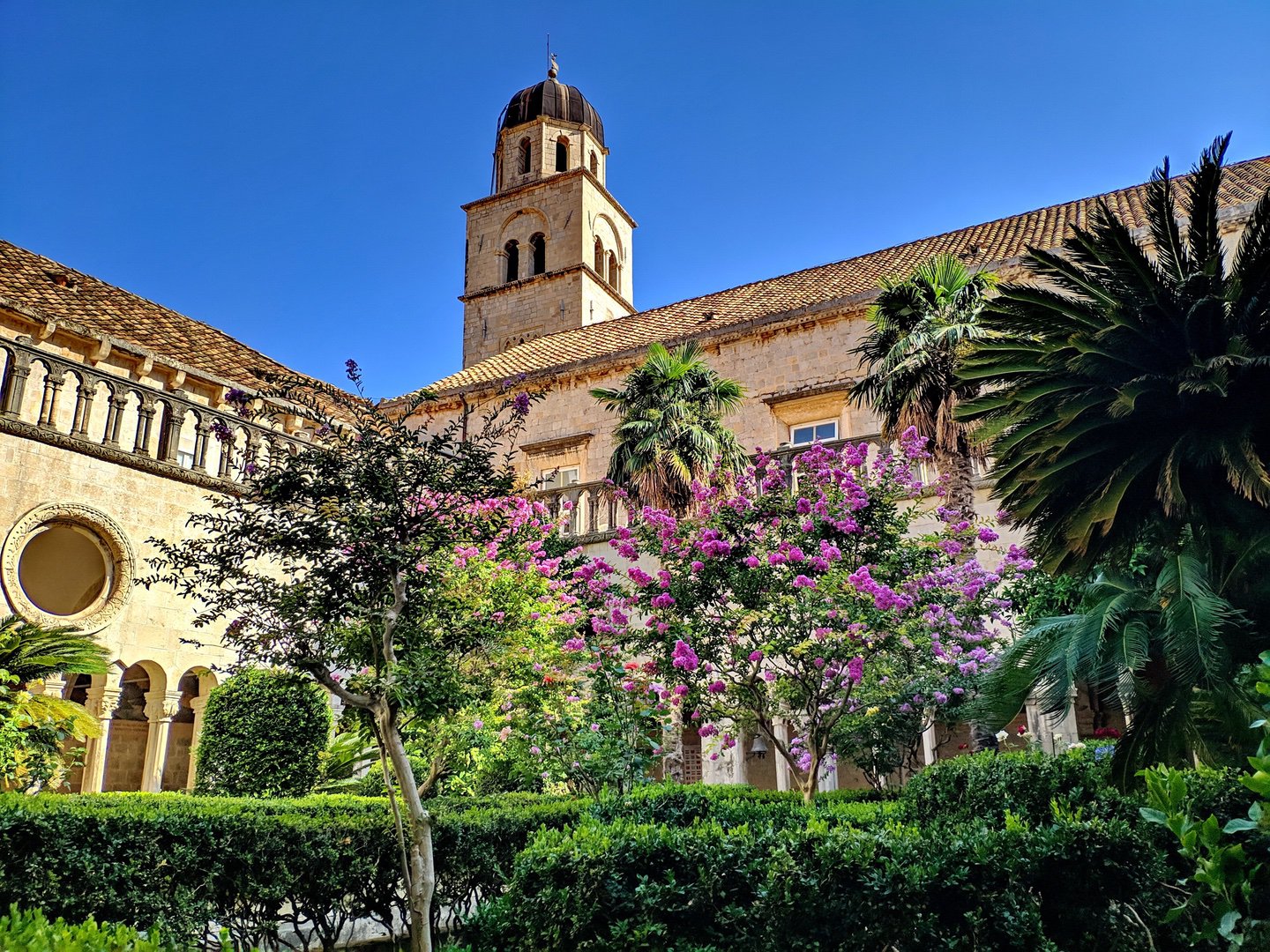
Franciscan Monastery
Luža Square — Power, Faith and Trade
At the eastern end of Stradun, the space opens into Luža Square, the architectural and symbolic center of Dubrovnik. Here, the city’s identity as an independent republic becomes visible in stone.
The Clock Tower, dating back to 1444, rises above the square with its two green figures — Maro and Baro — still striking the bell. Nearby stands Orlando’s Column, long regarded as a symbol of Dubrovnik’s freedom and civic autonomy. Together, they form a quiet statement: this was a city that governed itself.
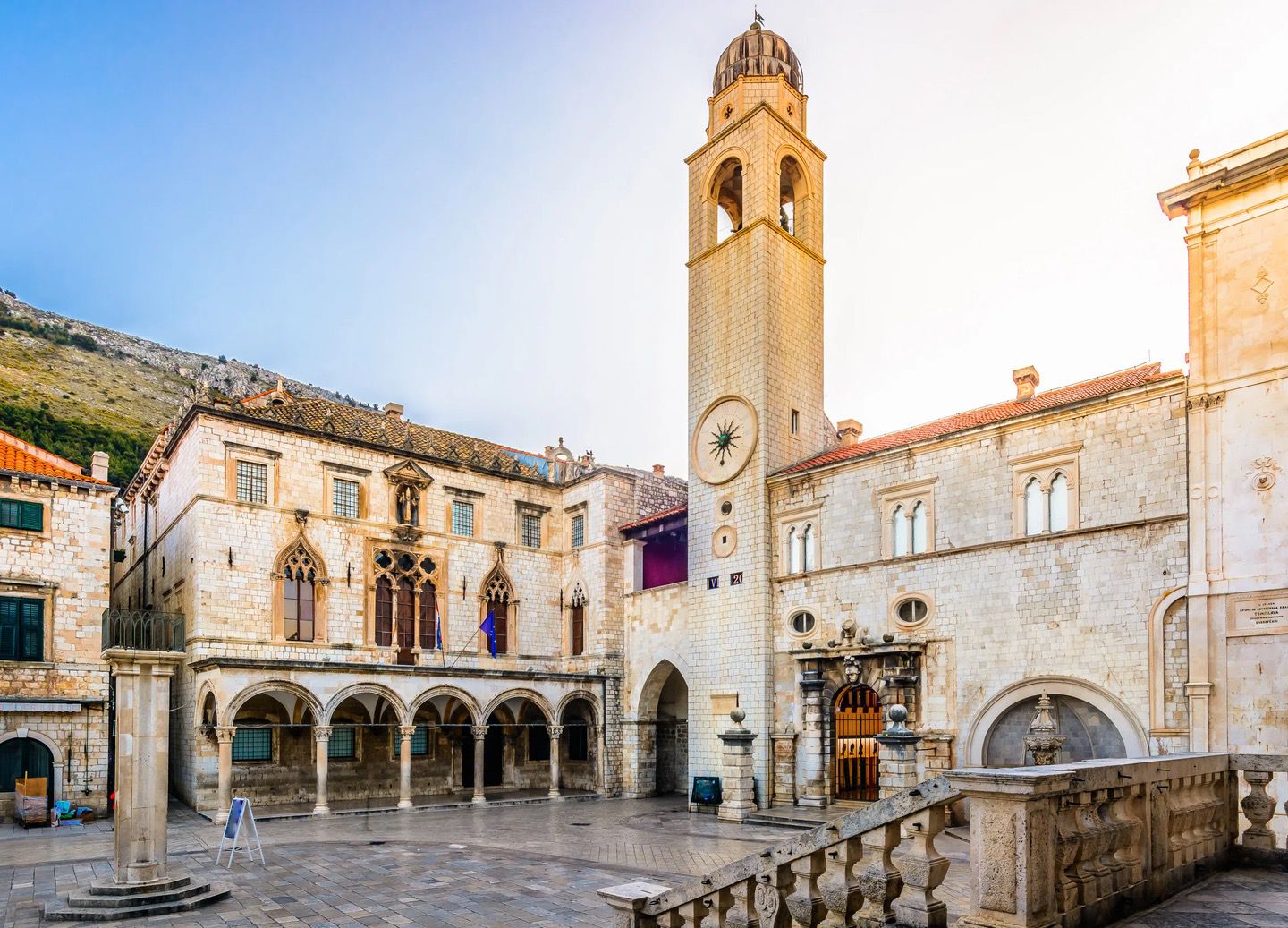
Clock Tower
Facing the square is St. Blaise’s Church, rebuilt in Baroque style after the devastating earthquake of 1667. Inside are relics of the city’s patron saint, whose presence is woven deeply into Dubrovnik’s history.
Not far away stands the Cathedral of the Assumption of the Virgin Mary, also reconstructed after the same earthquake. Its Baroque façade is restrained, but within, the treasury preserves a remarkable collection of relics — including a fragment believed to be from the Cross — along with gold and silver devotional works gathered from across the Mediterranean.
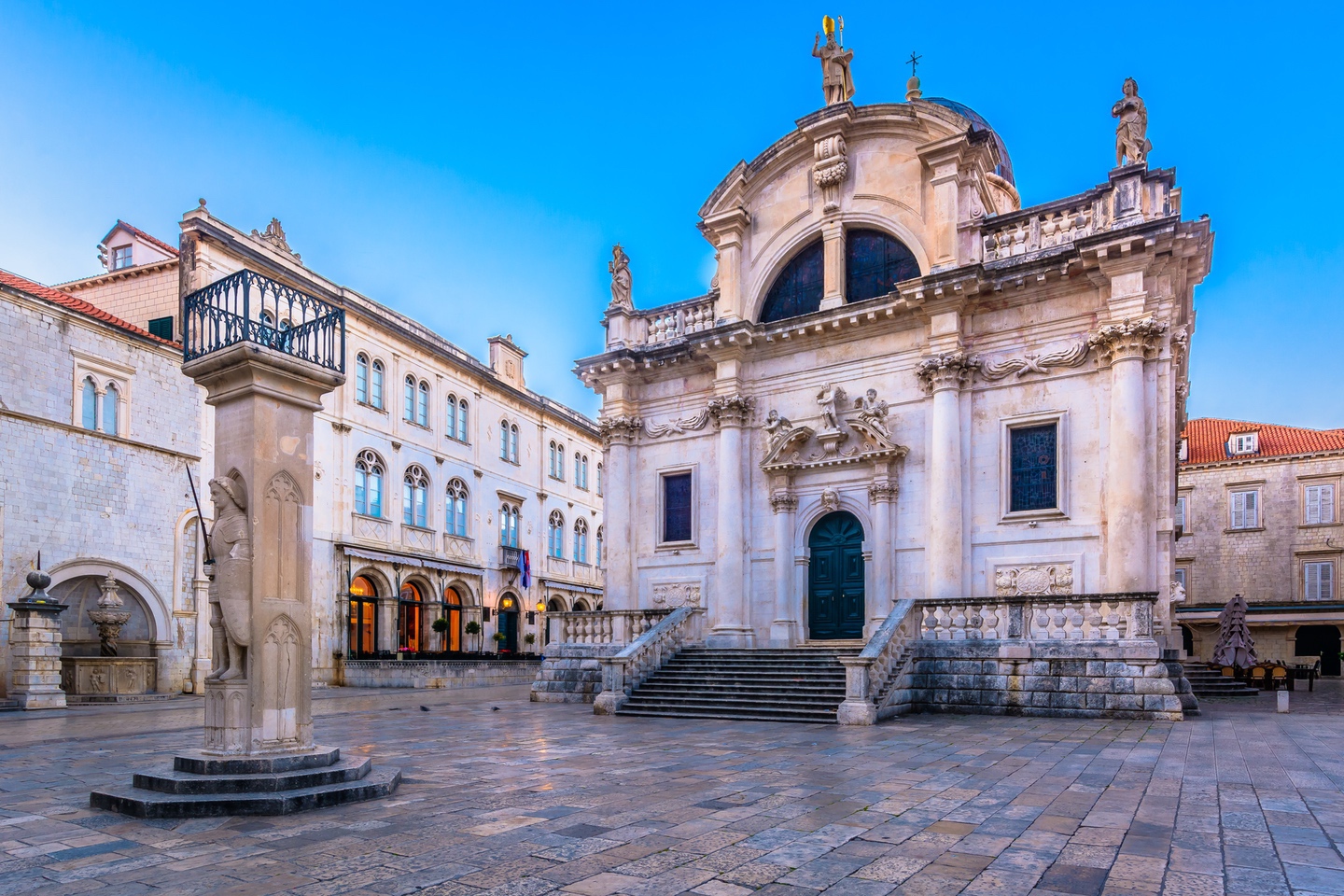
St. Blaise’s Church
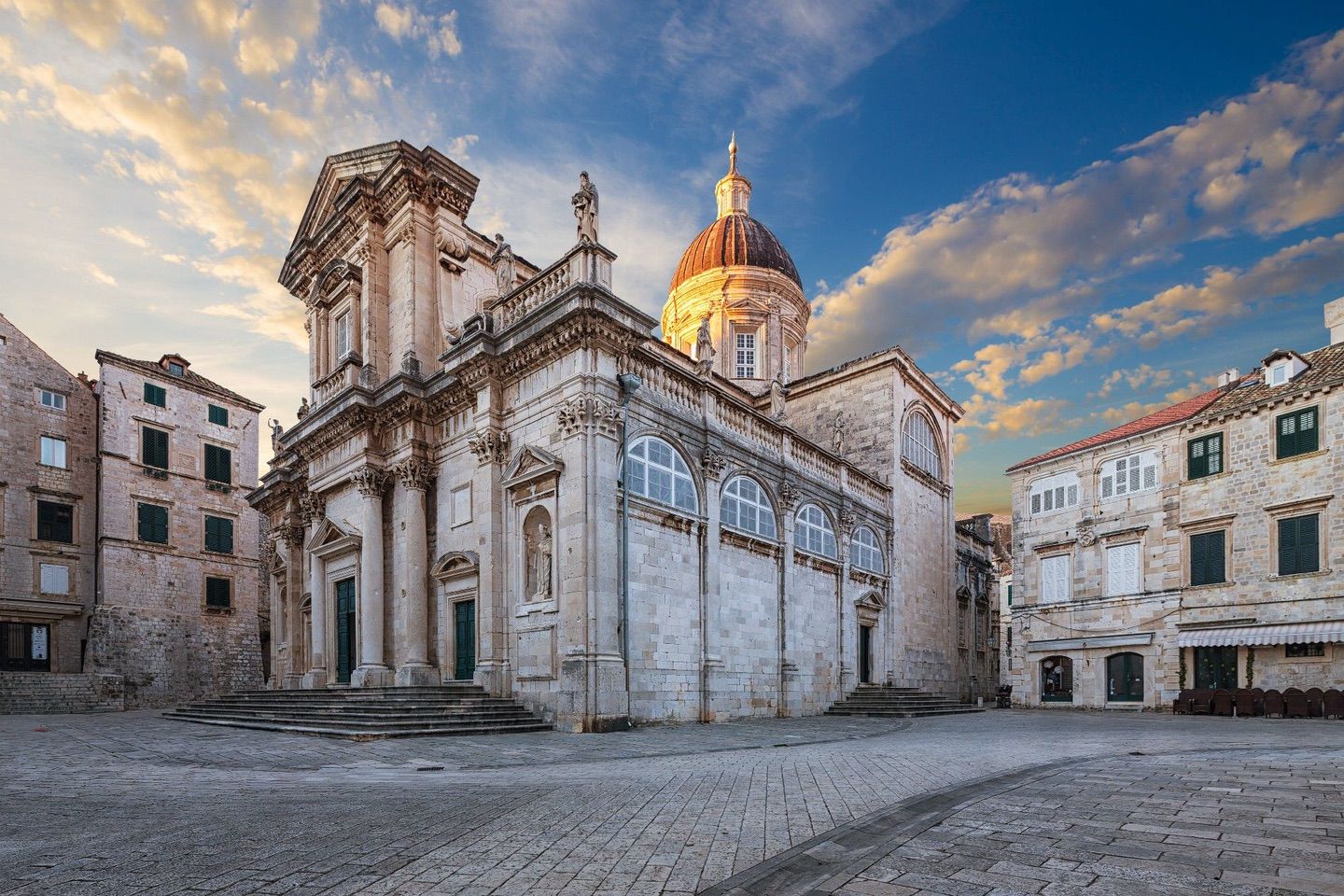
Cathedral of the Assumption of the Virgin Mary
To one side, the elegant Sponza Palace blends Gothic and Renaissance elements; once the customs house and mint, today it safeguards the city archives.
Opposite, the Rector’s Palace — seat of government during the Dubrovnik Republic — functioned simultaneously as residence, council chamber, prison, and armory. It now houses the Cultural History Museum, allowing visitors to step directly into the mechanisms of the former republic. A short walk away, Loggia Square offers something simpler: a place to sit and observe daily life unfolding against centuries-old façades.
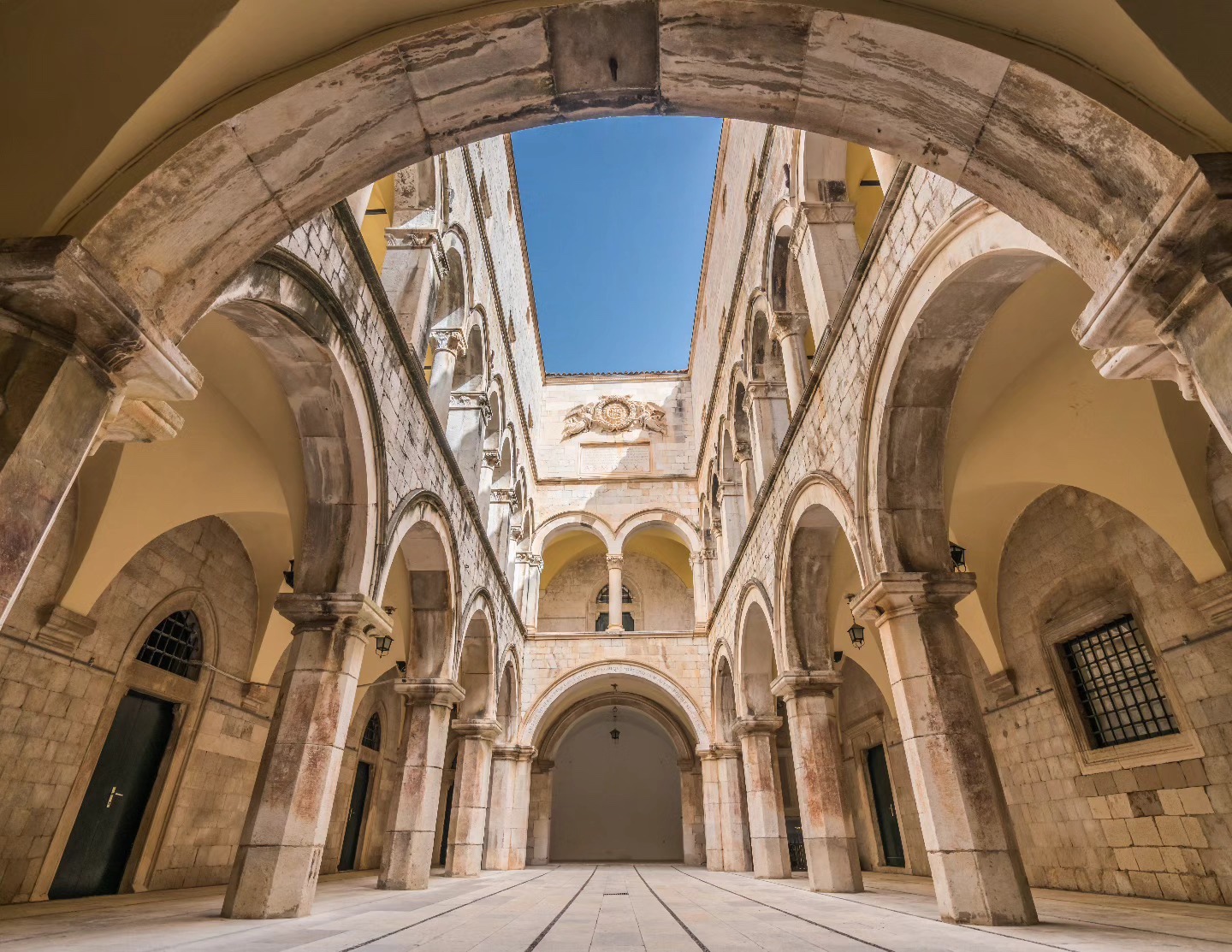
Sponza Palace
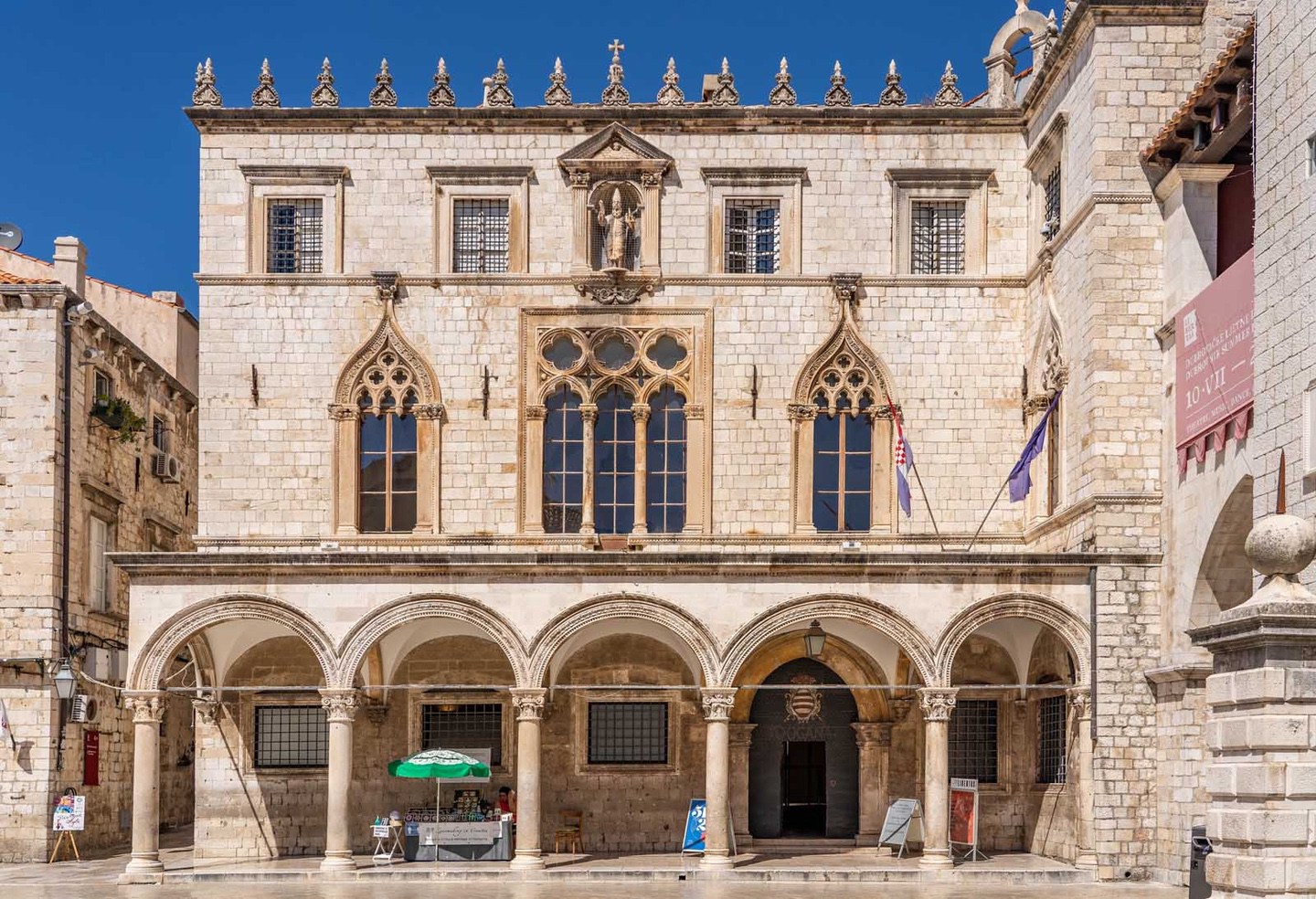
Sponza Palace
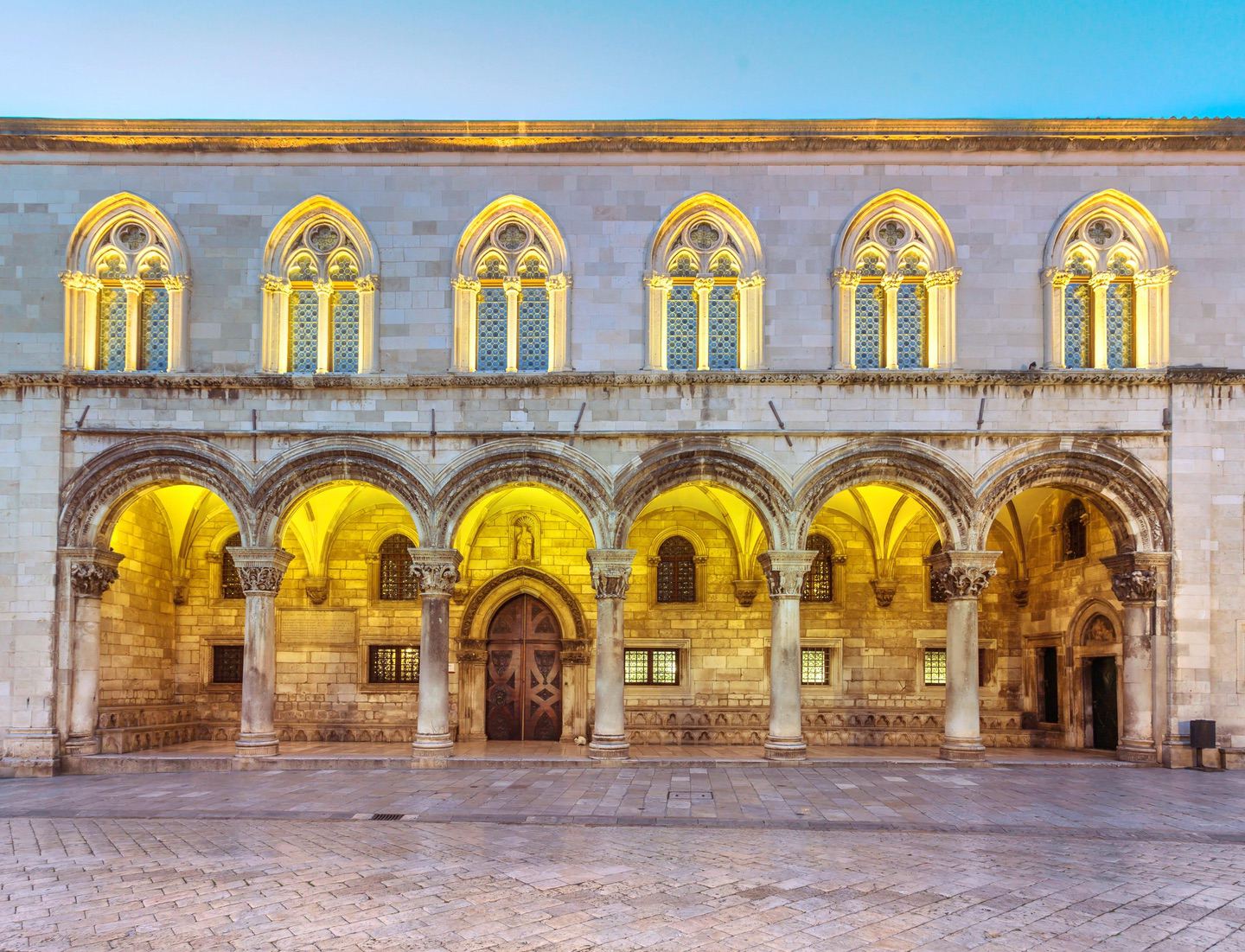
Rector's Palace
The City Walls — Above the Terracotta
To understand Dubrovnik, you have to leave the streets and walk its perimeter. The city walls date back to the 9th century, strengthened and expanded in the 14th, and in places measure up to six metres thick. They encircle the entire historic centre in a continuous defensive ring — the reason the Old Town remains so intact today.
The walk is roughly two kilometres and takes at least an hour and a half, though few move that quickly. From above, the terracotta roofs appear almost uniform — until you notice subtle differences in tone. Some tiles are darker, replaced after the war of the 1990s. Dubrovnik carries its recent scars quietly, visible only if you look closely.
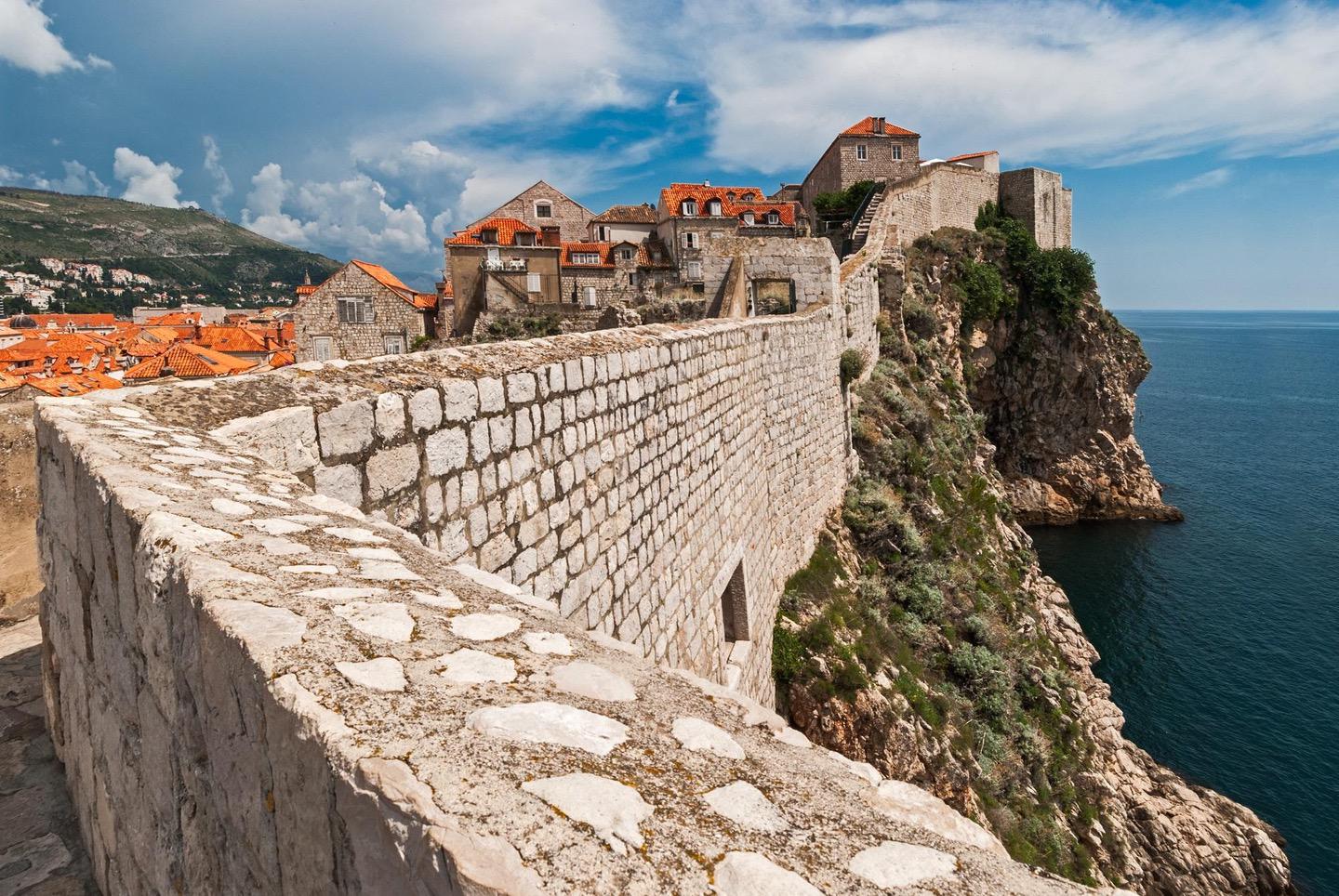
City Walls
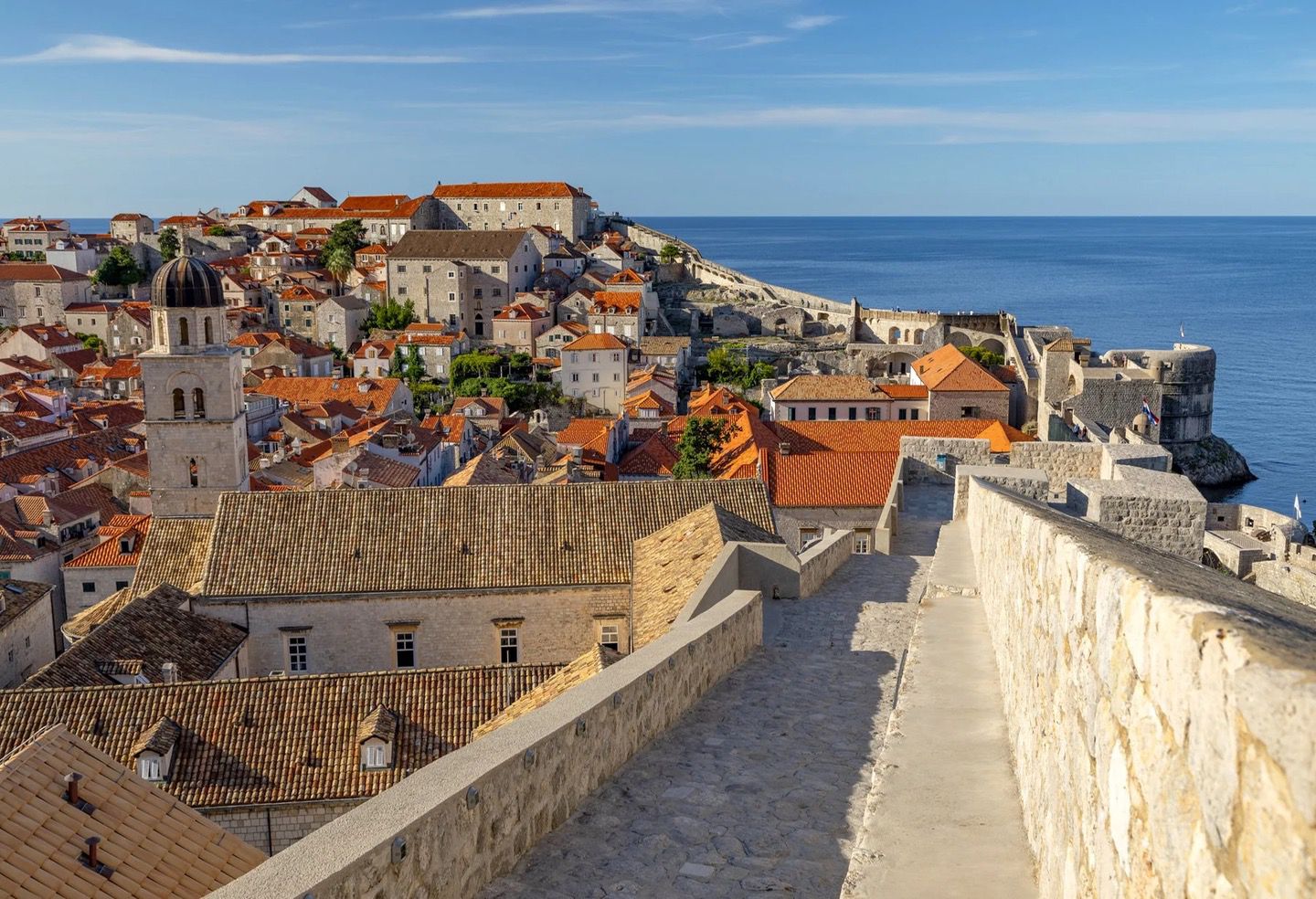
City Walls
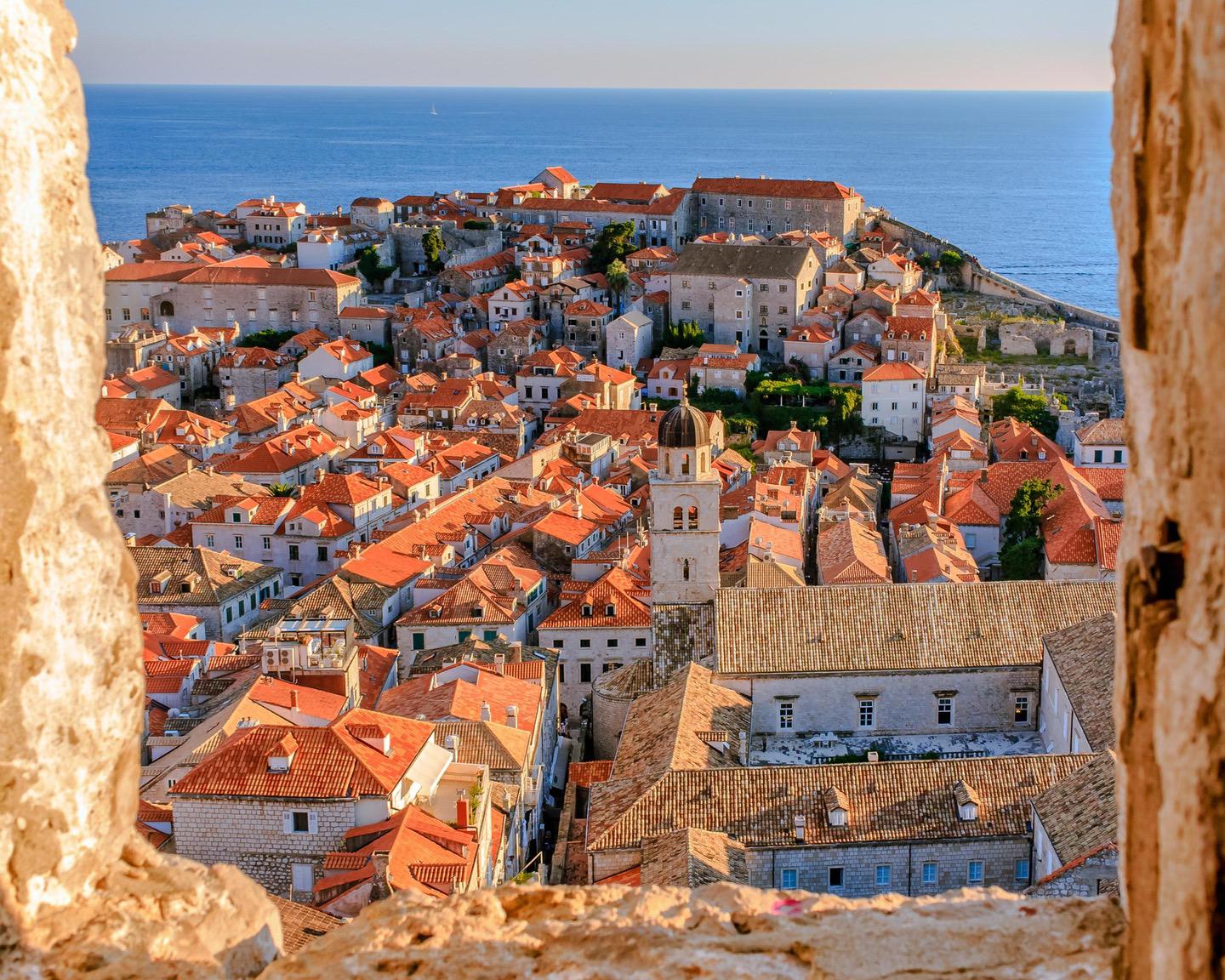
City Walls
Many begin near Pile Gate, though starting from the Maritime Museum near the Old Port gives the experience context. The museum traces Dubrovnik’s centuries as a maritime power, displaying navigational instruments and evidence of the trade networks that once connected this small republic to much larger empires.
Along the route, the walls connect a sequence of fortifications: the Fortress of St. John guarding the harbour; the angular strength of Revelin Bastion; the rounded mass of Bokar Bastion; and finally Minceta Bastion, the highest point of the walls and the most commanding viewpoint over the city. From here, Dubrovnik feels both compact and sovereign — a complete world contained within stone.
Admission to the walls (approximately €40) also includes entry to the Rector’s Palace, the Maritime Museum, and Fort Lovrijenac, making it less a ticket and more an architectural key to the city. The Dubrovnik Pass, available in one-, three-, or seven-day formats, provides similar access and is worth considering if you plan to explore beyond a single afternoon.
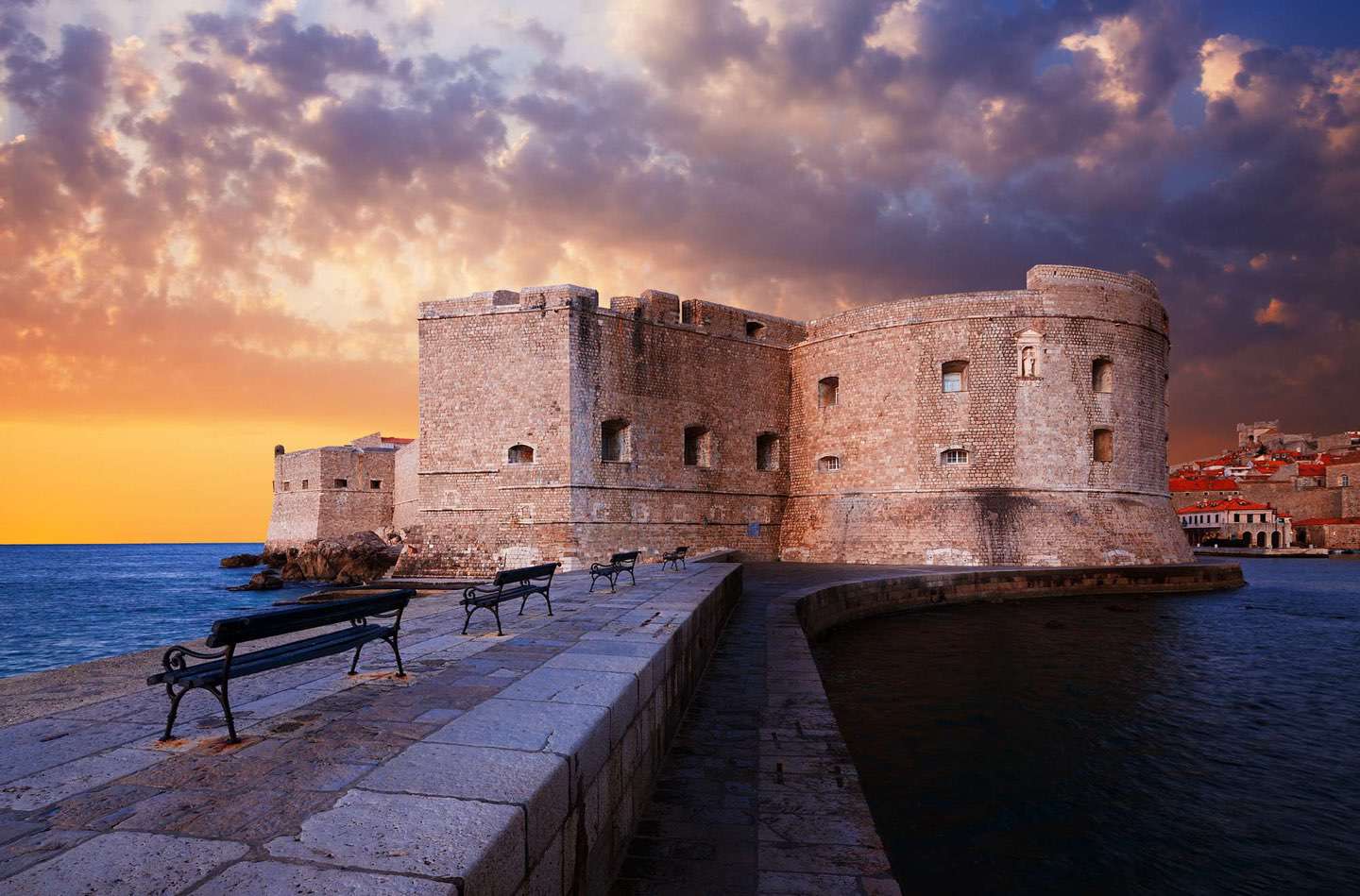
St.John Bastion
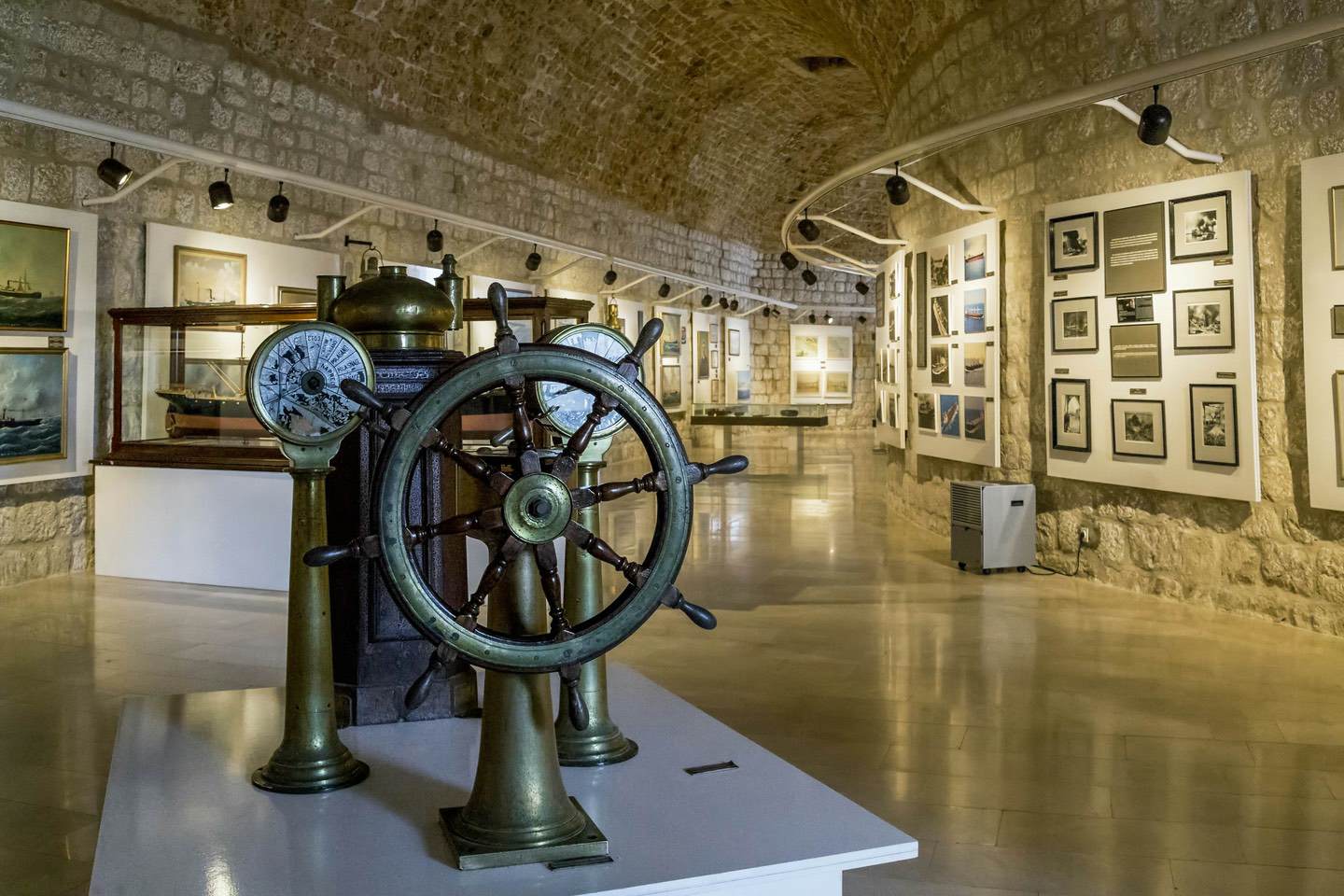
Maritime Museum
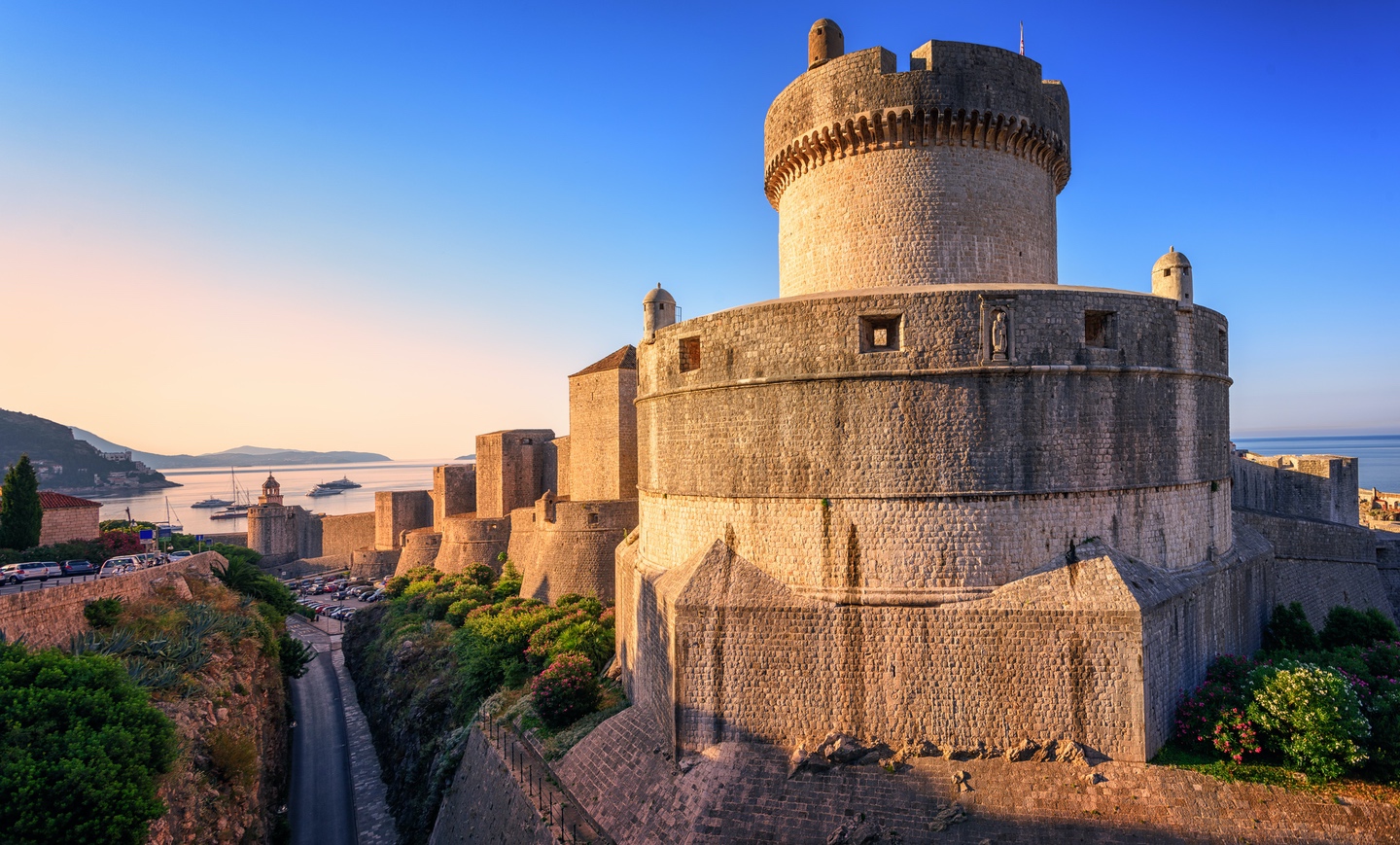
Minceta Bastion
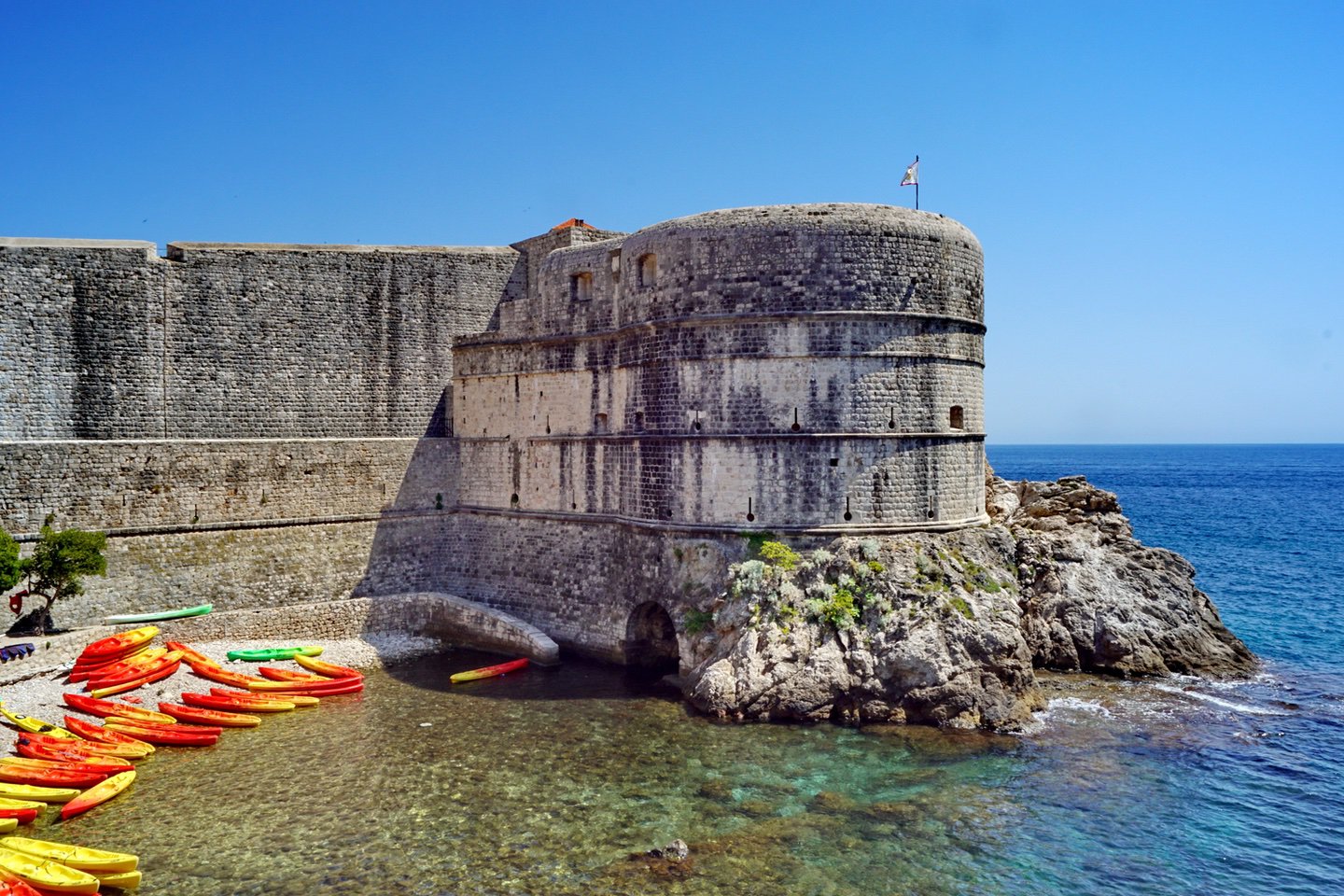
Fort Bokar
Fort Lovrijenac — The Independent Guardian
Rising on a rocky promontory just outside the western walls, Fort Lovrijenac has guarded Dubrovnik since the 11th century. It stands slightly apart from the city, both physically and symbolically — an external shield designed to deter Venetian ambitions and protect the Republic’s autonomy.
The ascent requires roughly 200 stone steps, and the climb is deliberate rather than gentle. From the top, the geometry of Dubrovnik reveals itself with unusual clarity: Šulić Beach tucked between cliffs on one side, the fortified walls enclosing the Old Town on the other. The perspective explains the city’s logic — sea access, controlled entry, defensive precision.
In recent years, the fortress gained a different kind of fame as the Red Keep in Game of Thrones. Yet the setting needs no script. At sunset, when the limestone shifts from white to amber and then to muted gold, Lovrijenac feels less like a filming location and more like what it has always been — a watchtower over stone and sea.
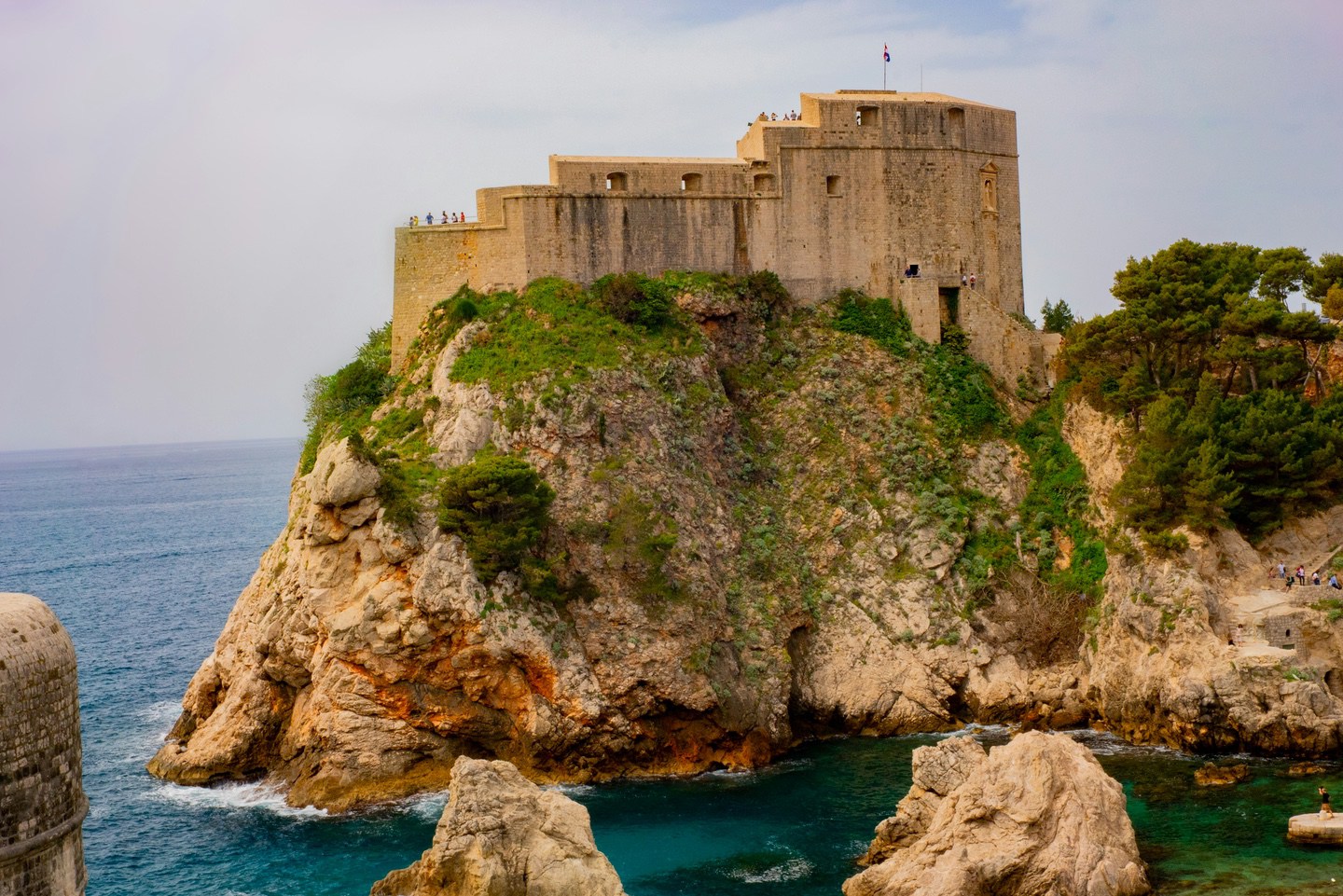
Fort Lovrijenac
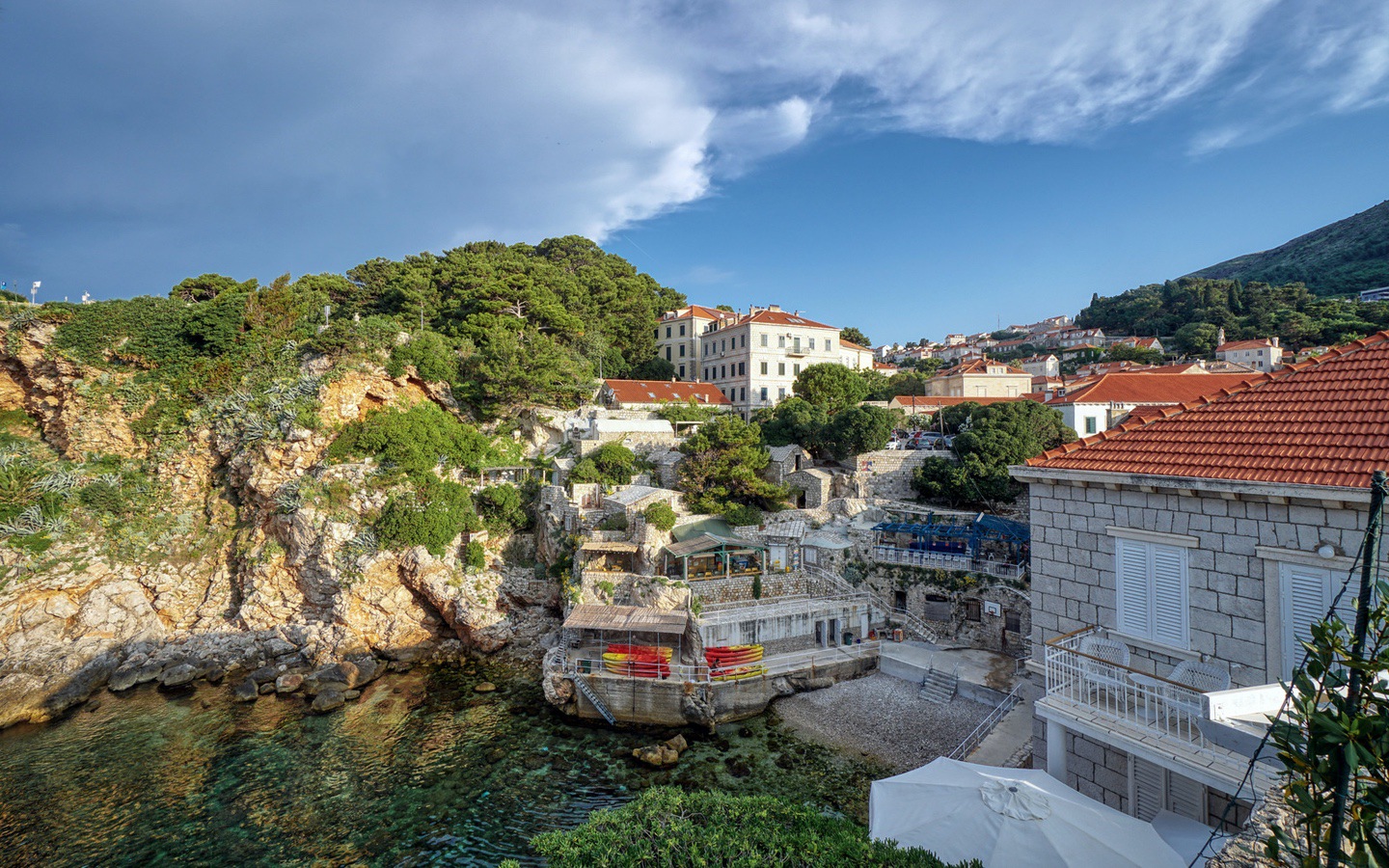
Šulić Beach
Jesuit Dubrovnik — Baroque Drama in Stone
If Stradun is measured and civic, the upper Old Town introduces a more theatrical rhythm. The climb begins at Gundulić Square, where a daily farmers’ market sets up beneath the façades — a practical counterpoint to the city’s grandeur.
From here rise the Jesuit Stairs, a broad Baroque staircase often compared to Rome’s Spanish Steps. Constructed in the 18th century, they lead upward with deliberate symmetry toward the Church of St. Ignatius and the former Jesuit College. The staircase gained modern recognition as the filming location for the
“Walk of Shame” in Game of Thrones, yet its architectural presence predates any screen by centuries.
At the top stands St. Ignatius Church, its façade restrained but dignified, completing one of the most harmonious Baroque compositions in the city. From here, rooftops cascade downward toward the harbour — a reminder that Dubrovnik’s drama is not only historical but spatial. And below those rooftops lies the harbour that once sustained the Republic.
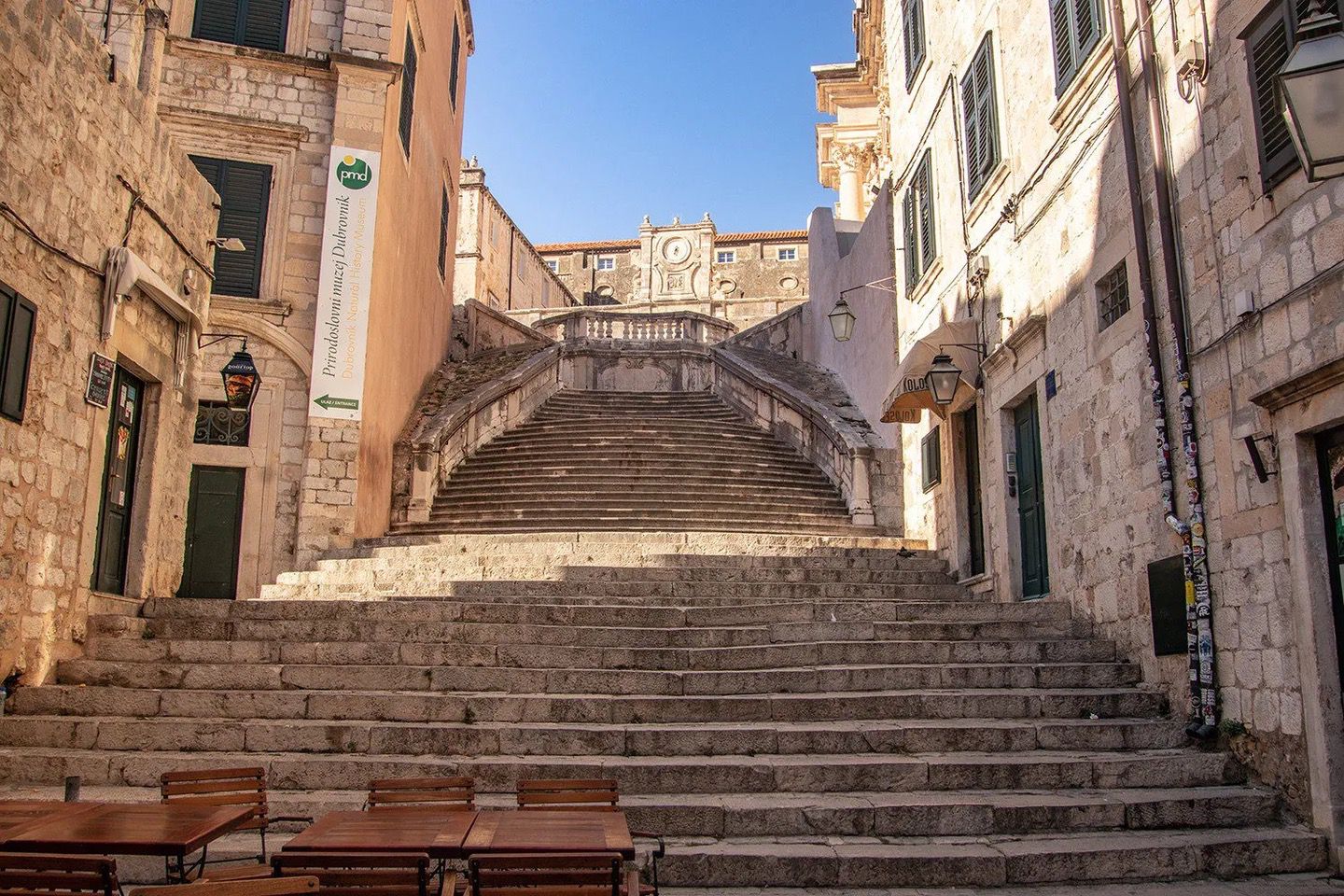
Jesuit Stairs
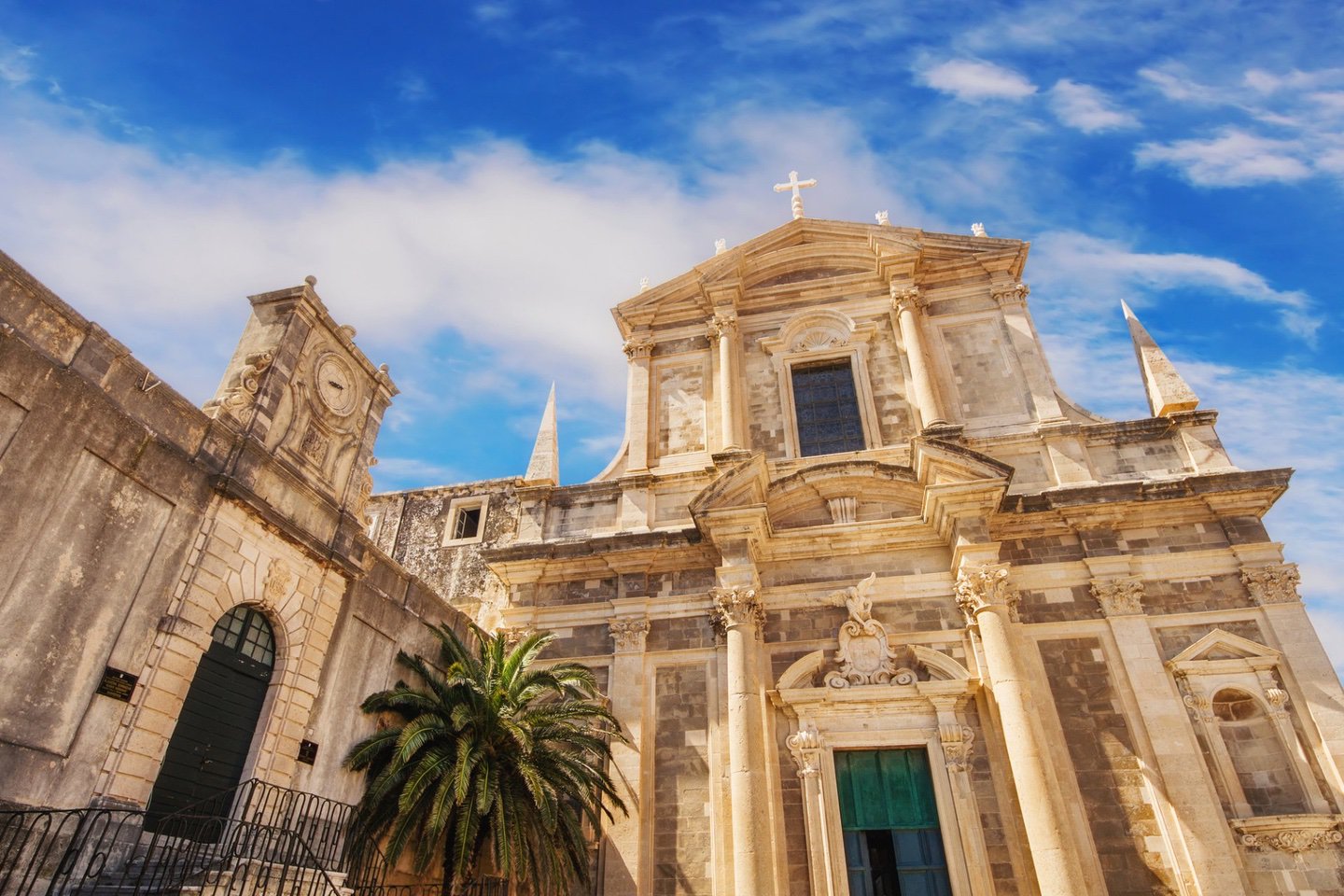
Church of St. Ignatius
The Old Town Harbor
At the eastern edge of the Old Town lies the harbour that sustained Dubrovnik’s rise. What appears today as a calm marina was once the operational heart of a disciplined maritime republic.
The three large stone arches you see along the waterfront were part of the original Arsenal, where ships were constructed during the height of the Dubrovnik Republic. The vaults were temporarily sealed with brick walls while vessels were being built — a deliberate tactic to prevent foreign observers from studying the city’s shipbuilding techniques. Once completed, the brick barriers were demolished and the ships launched into the Adriatic. Discretion was part of survival.
Today, the former Arsenal houses a restaurant that retains subtle references to its origins — carved wood, nautical elements, and interiors that echo the skeleton of a ship. It is one of those places where history does not require explanation; it lingers in structure and proportion. From here, the city turns naturally toward the water — not only as history, but as leisure.
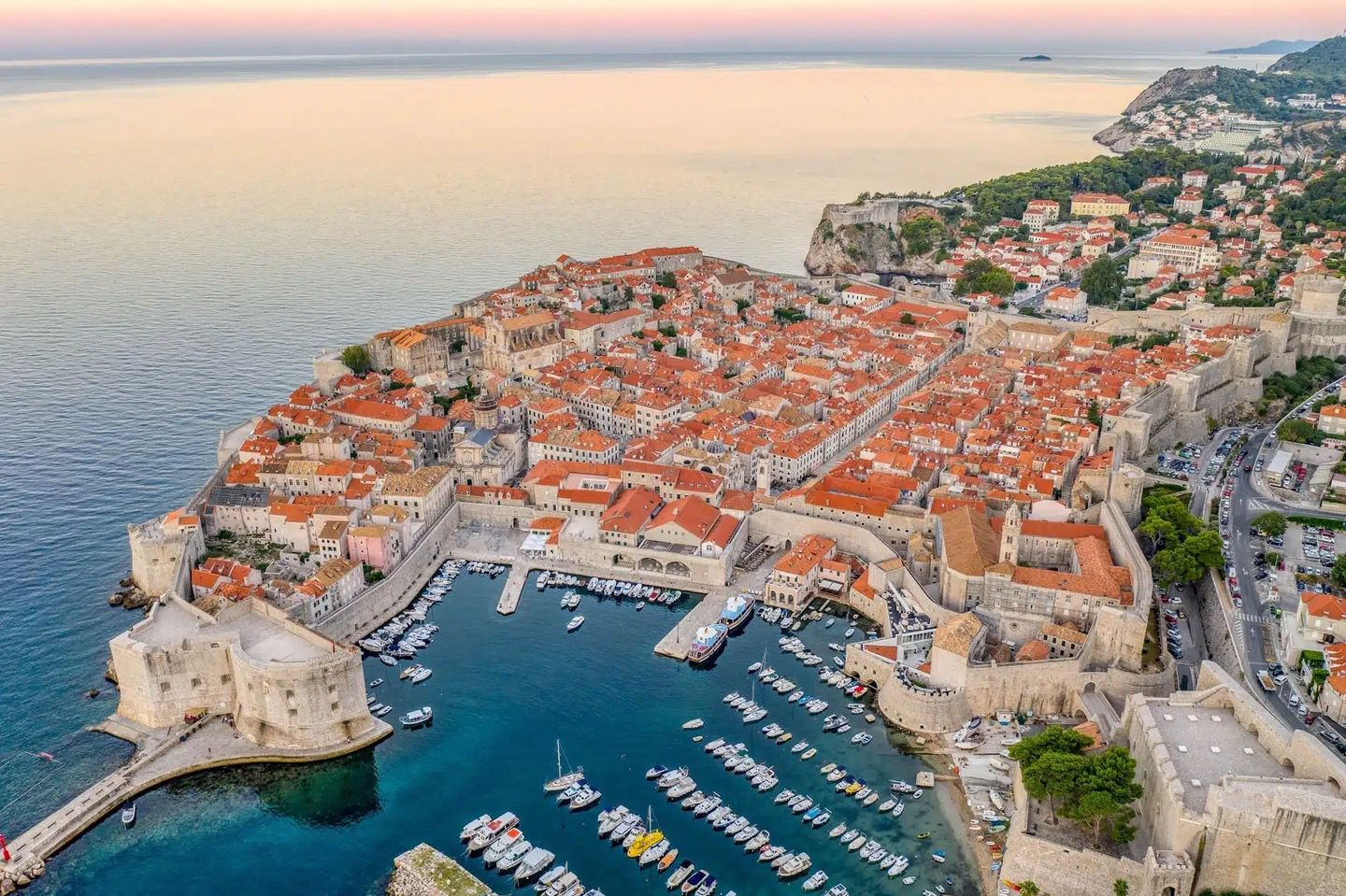
The Old Town Harbor
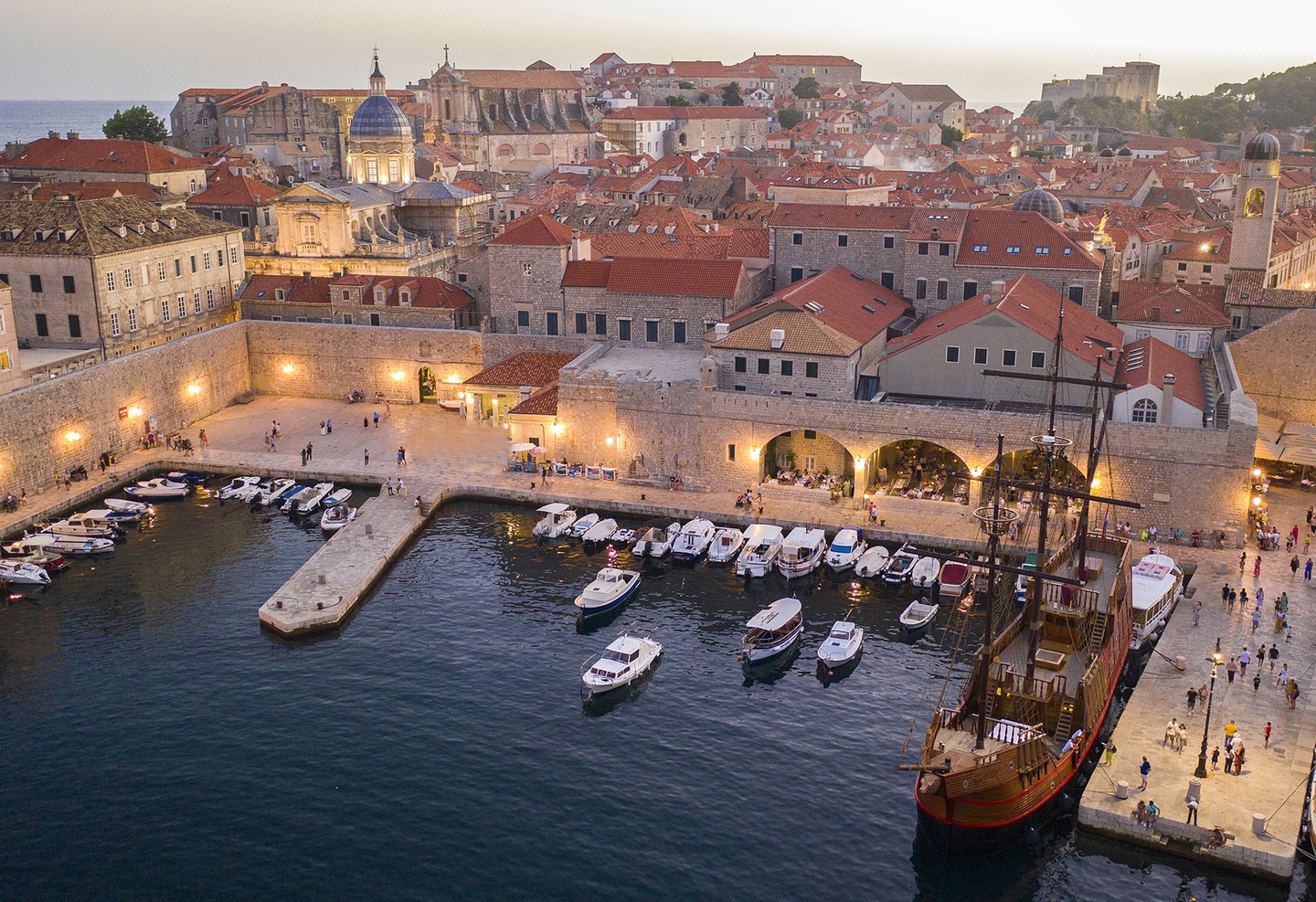
The Old Town Harbor
Sea Level — Beaches Within and Beyond the Walls
Dubrovnik is not only observed from above; it is experienced at water level.
Closest to the Old Town is Banje Beach, just steps from Ploče Gate. It is one of the most photographed stretches of coastline in Croatia, with uninterrupted views of the city walls and the island of Lokrum beyond. In high season, its atmosphere is animated — sun loungers, jet skis, and the well-known Eastwest Beach Club lend it a social energy that feels closer to Saint-Tropez than to a quiet Adriatic cove. Cross the road and descend slightly further along the rocks, and the mood changes — smaller, quieter pockets of shoreline appear for those who prefer stillness.
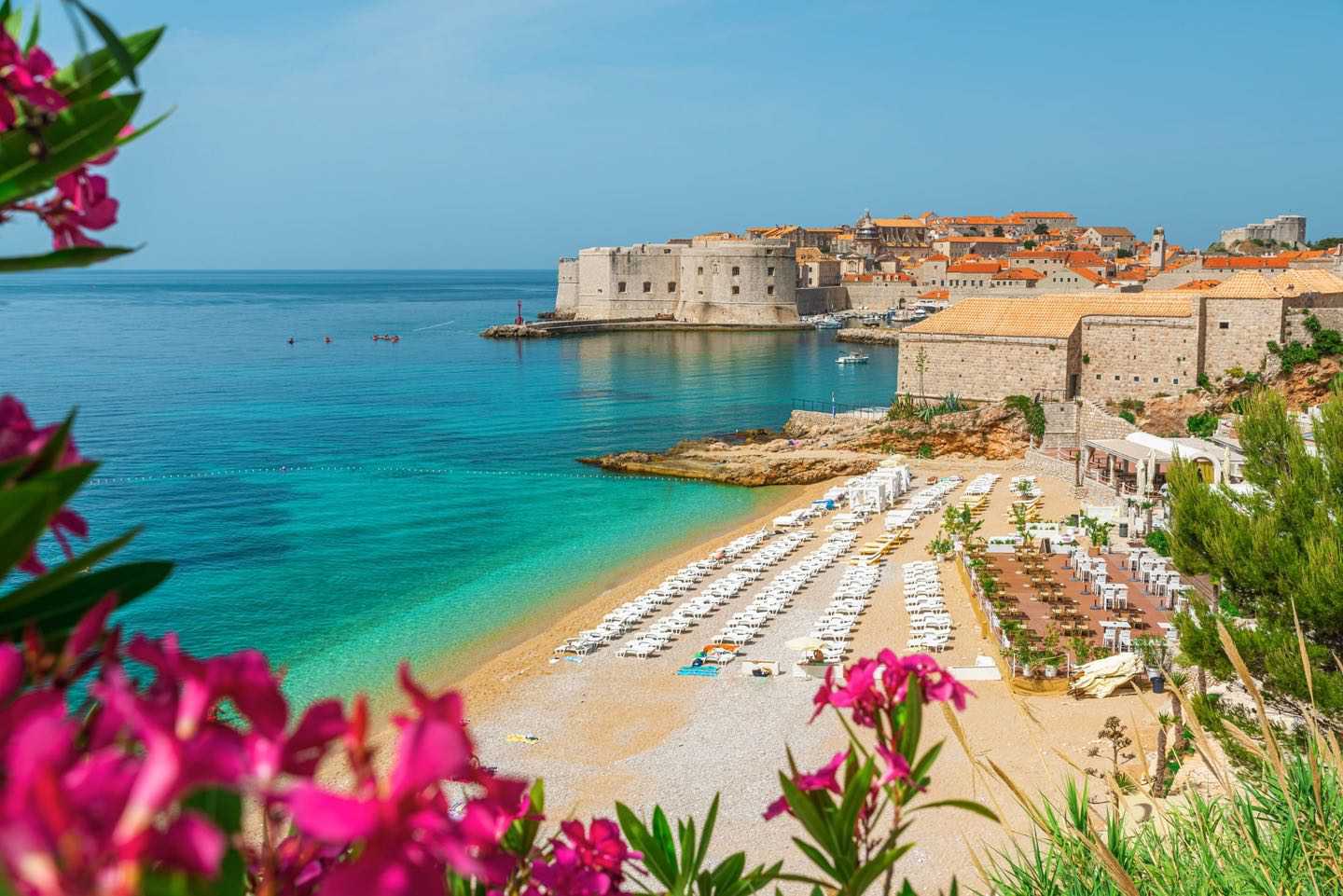
Banje Beach
A little further along the cliffs lies Betina Cave Beach, one of Dubrovnik’s more secluded swimming spots. Hidden beneath a limestone overhang and accessible mainly by kayak, small boat, or a narrow coastal path, the tiny pebble beach sits inside a natural cave carved into the rock. The setting feels unexpectedly intimate — the Adriatic framed by stone, with the Old Town walls visible in the distance. It is less a conventional beach than a quiet pause along the coastline.
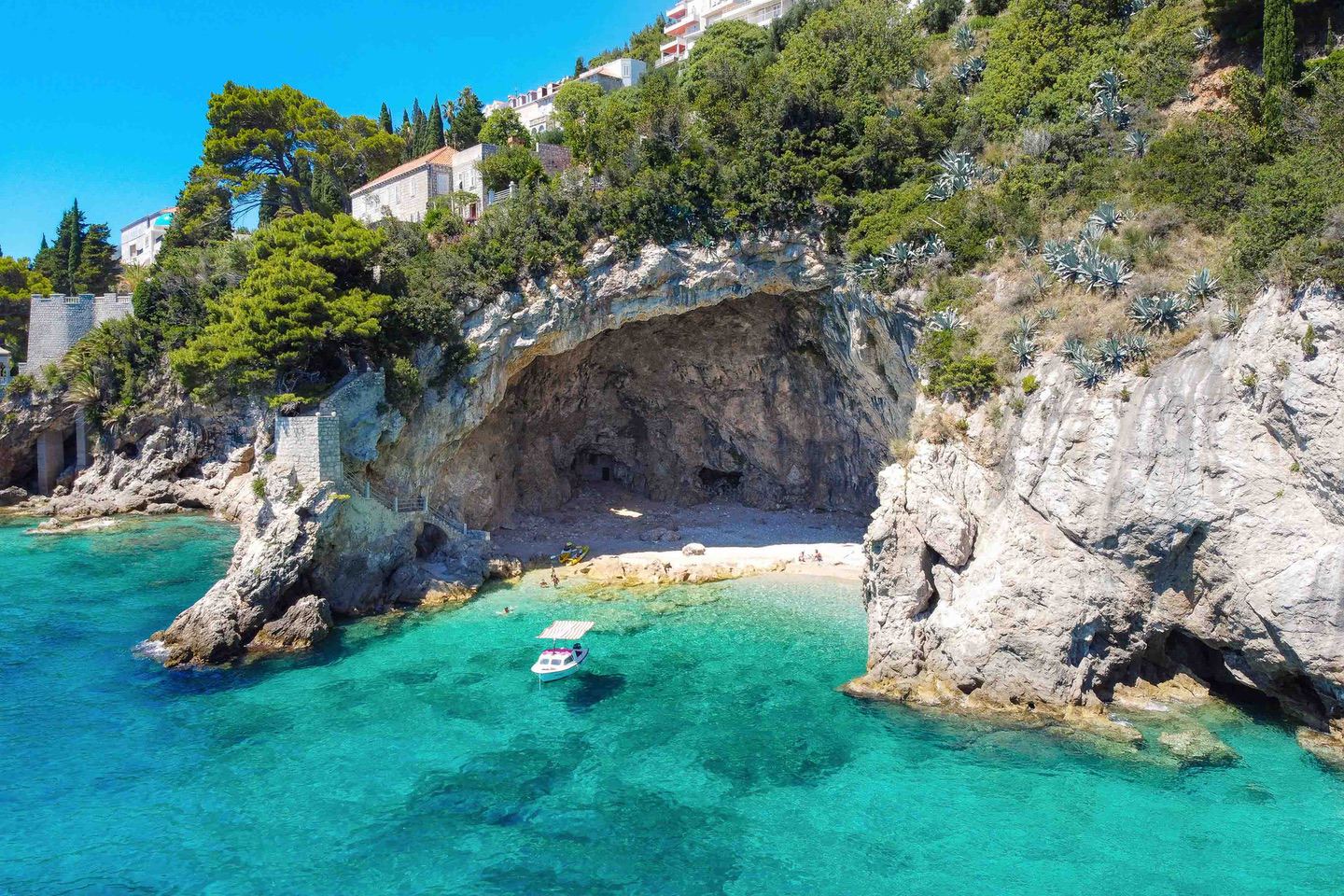
Betina Cave Beach
Tucked beneath Fort Lovrijenac is Šulić Beach, framed by two cliffs and considered one of Dubrovnik’s oldest swimming spots. It is popular with locals and younger visitors, particularly for cliff jumping. The small Beach Bar Dodo, perched above the cove, adds a relaxed, informal note, with kayaks available for those who want to paddle beyond the protective arc of stone. In the morning, the cliffs cast generous shade; by afternoon, the water takes on a deeper blue.
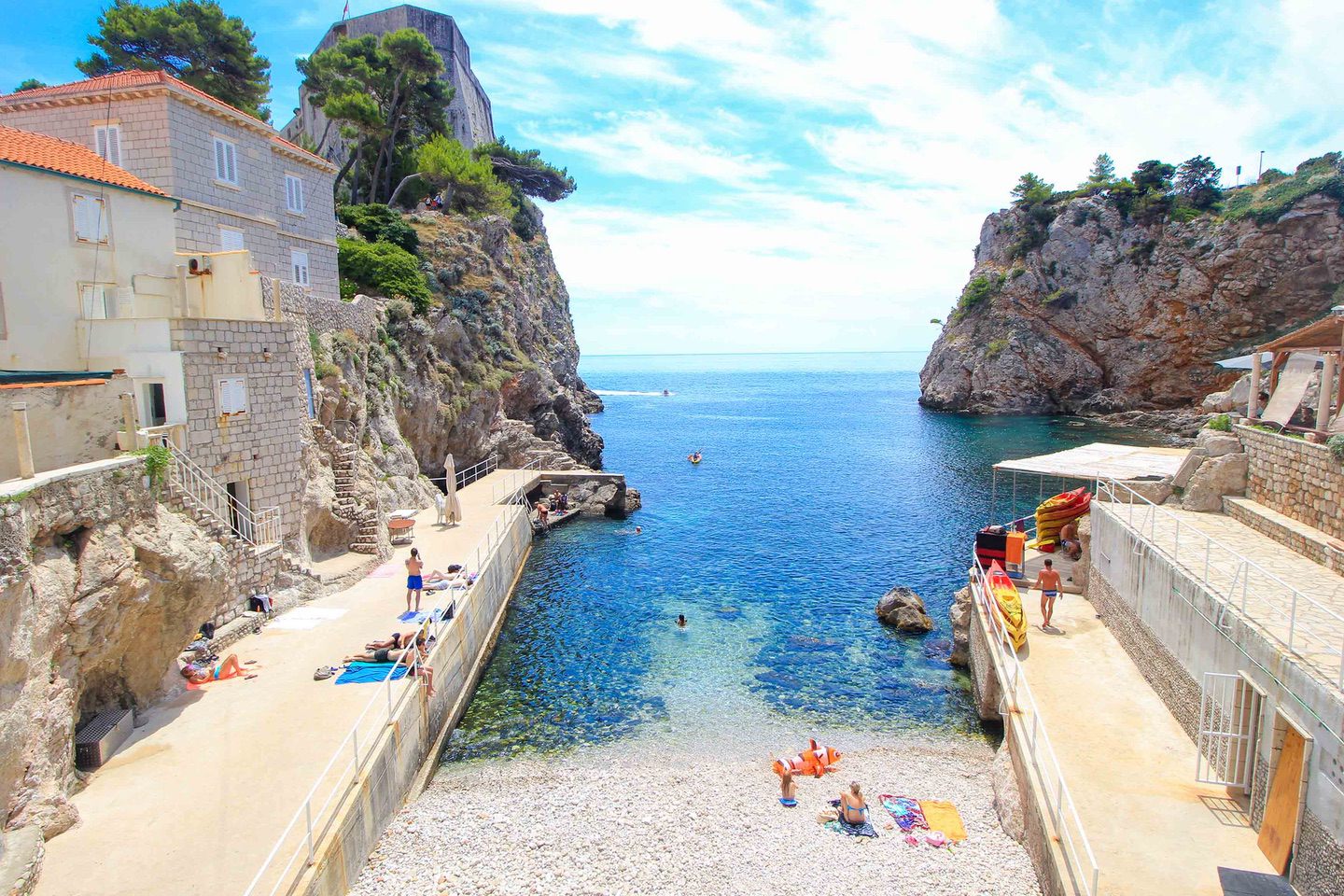
Šulić Beach
Further west, outside the immediate Old Town area, the districts of Lapad and Babin Kuk offer a different coastal rhythm. Copacabana Beach and Coral Beach Club provide more open space and resort-style comfort, while Uvala Lapad combines pebble and sandy stretches with cafés lining the promenade. Here, Dubrovnik feels less medieval and more Mediterranean — designed for longer afternoons.
As the day moves toward evening, attention shifts upward again — toward cliffs and hilltops where Dubrovnik performs its final act.
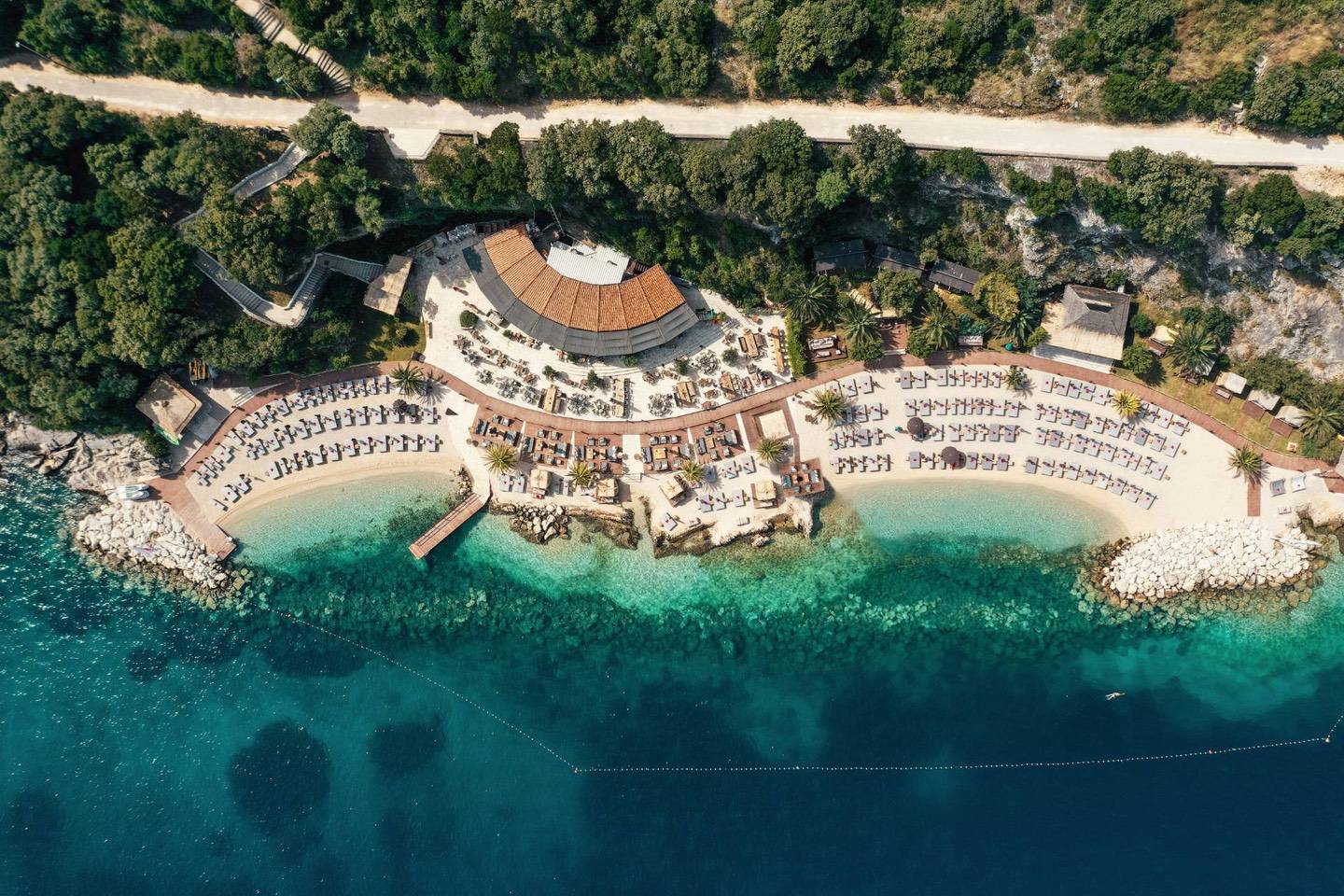
Coral Beach Club
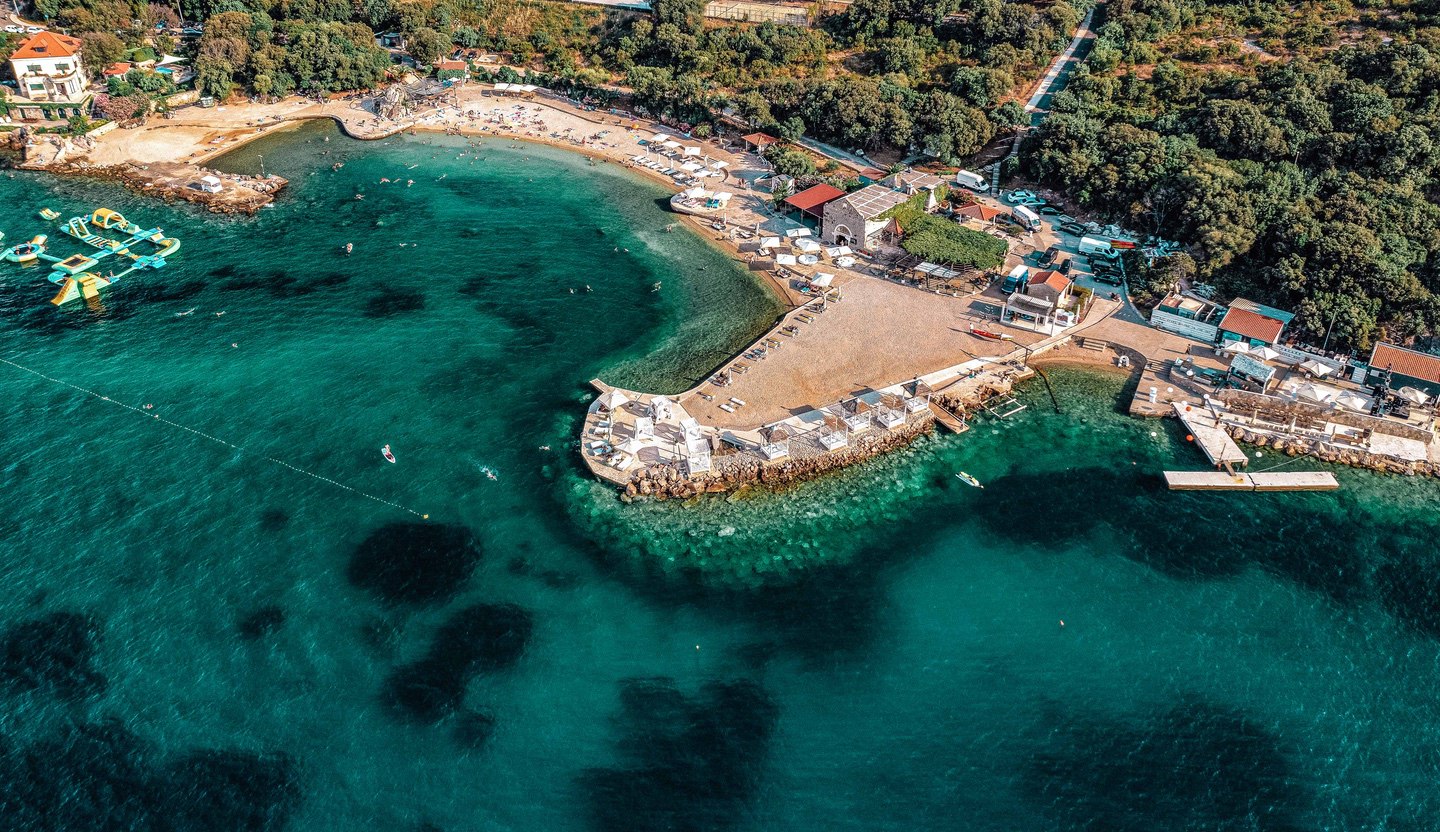
Copacabana Beach
Altitude and Cliffs
For a broader panorama, ascend Mount Srđ, either by cable car or on foot. From the summit, Dubrovnik appears composed and complete — terracotta roofs gathered within the walls, Lokrum floating offshore, and the Elaphite Islands scattered along the horizon. The Panorama Restaurant & Bar sits at the top, offering an elevated pause with the view as its principal asset. For those inclined toward something more kinetic, a zipline descent traces the slope back toward the city, trading contemplation for momentum. Below, the harbour continues to hum, and ferries depart toward quieter landscapes offshore.
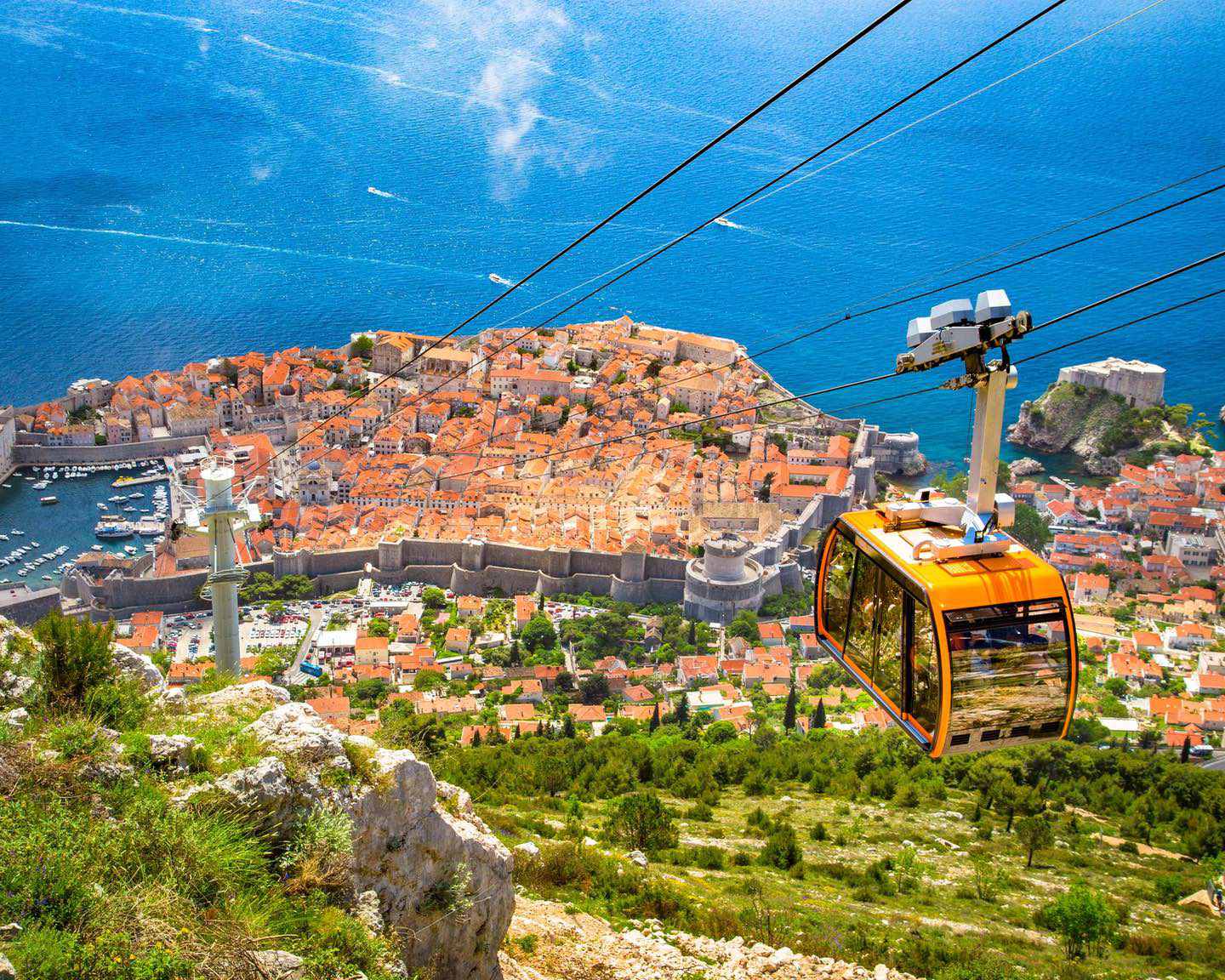
Mount Srđ
Dubrovnik understands timing. As the light softens, the city reorients itself toward the horizon. Hidden within the southern walls is Buža Bar, often called “the hole in the wall.” To reach it, you pass through a narrow opening in the stone before emerging onto a terrace built directly into the rocks. There is no elaborate design — just tables, uneven stone, and a 180-degree view over the Adriatic toward Lokrum. It is not the city’s most polished bar, but it is one of its most singular. A simple glass of wine or a spritz is enough here; the performance belongs to the sea and the fading light.
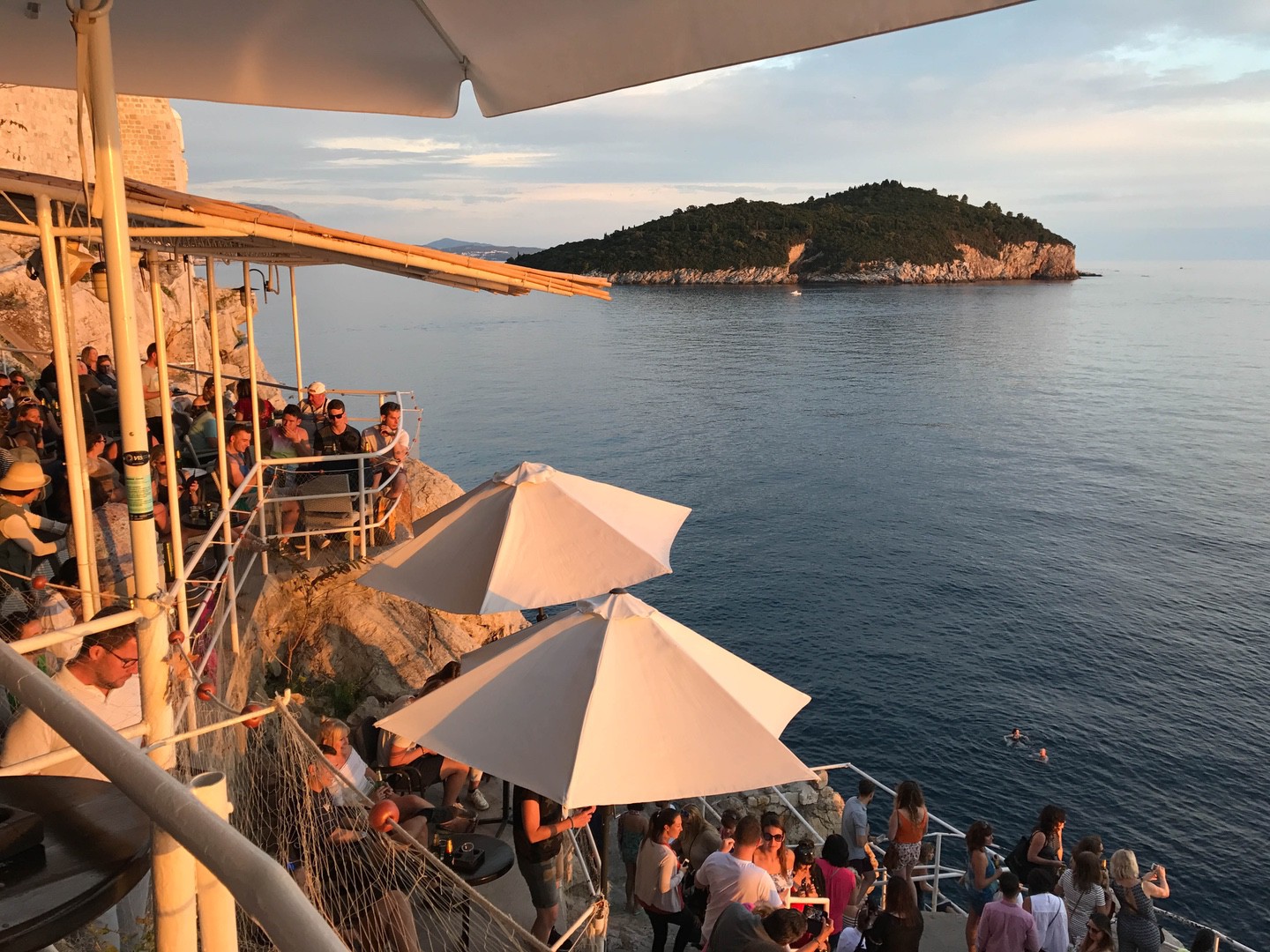
Buža Bar
Island Escapes — Within Reach of the Mainland
Dubrovnik is complete in itself, yet some of its most restorative moments lie just offshore. A 15–20 minute ferry ride from the Old Port brings you to Lokrum Island, a compact retreat of botanical gardens, shaded paths, and hidden swimming spots carved into rock. There are no cars, no hotels — only olive groves, peacocks, and a rhythm that feels deliberately slower than the mainland. It is ideal for half a day: swim, walk, return.
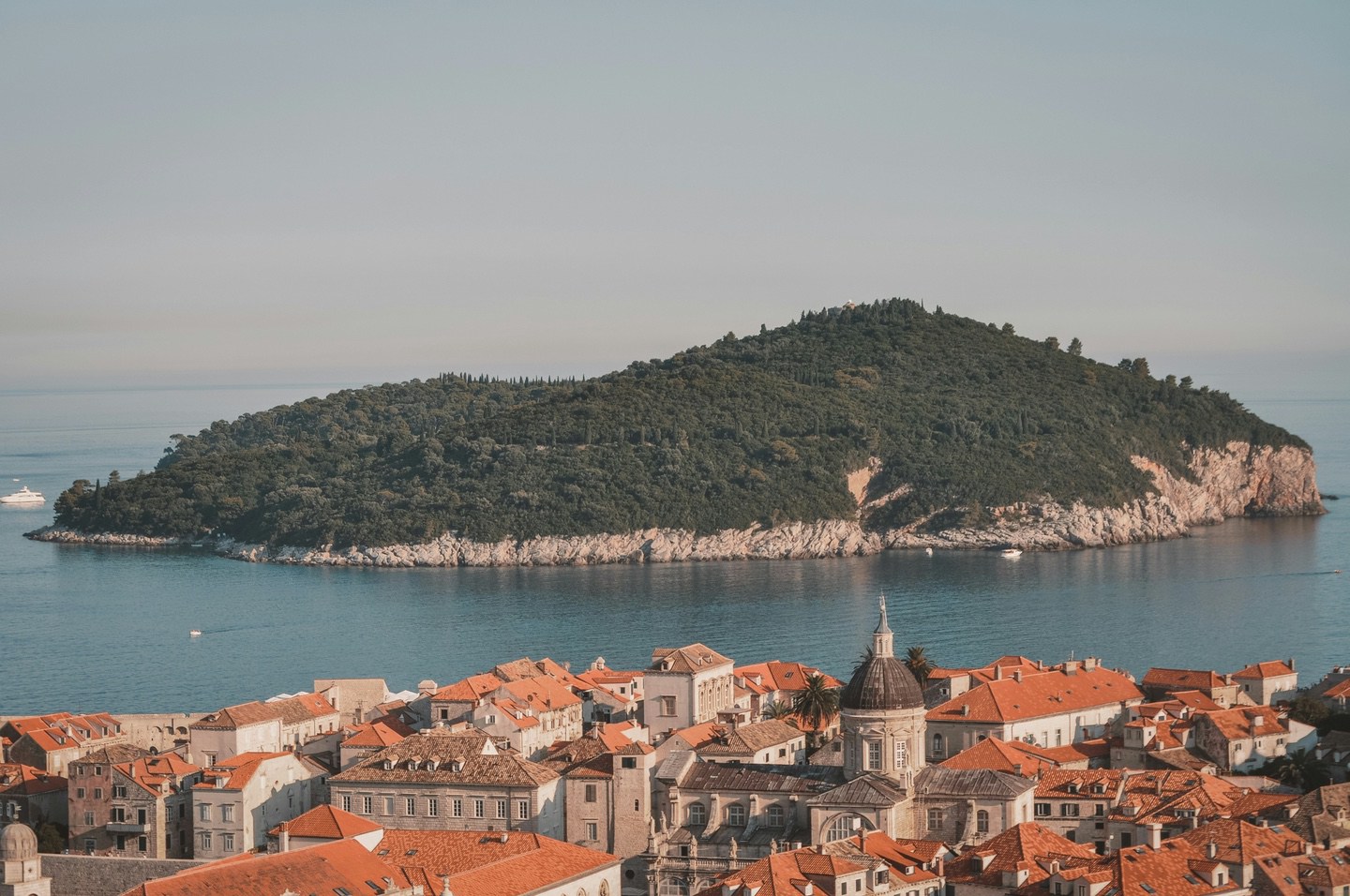
Lokrum island
Further along the coast stretch the Elaphiti Islands, an archipelago of thirteen islands that once formed part of Dubrovnik’s maritime network. By speedboat, Koločep is roughly twenty minutes away; scheduled ferries take longer but offer a gentler approach. Near Koločep, the Blue Cave refracts light in shifting tones, while on Lopud, Šunj Beach provides one of the rare sandy coves in the region. These are not dramatic landscapes but softened ones — designed for unstructured hours. Back on the mainland, the day often ends at the table
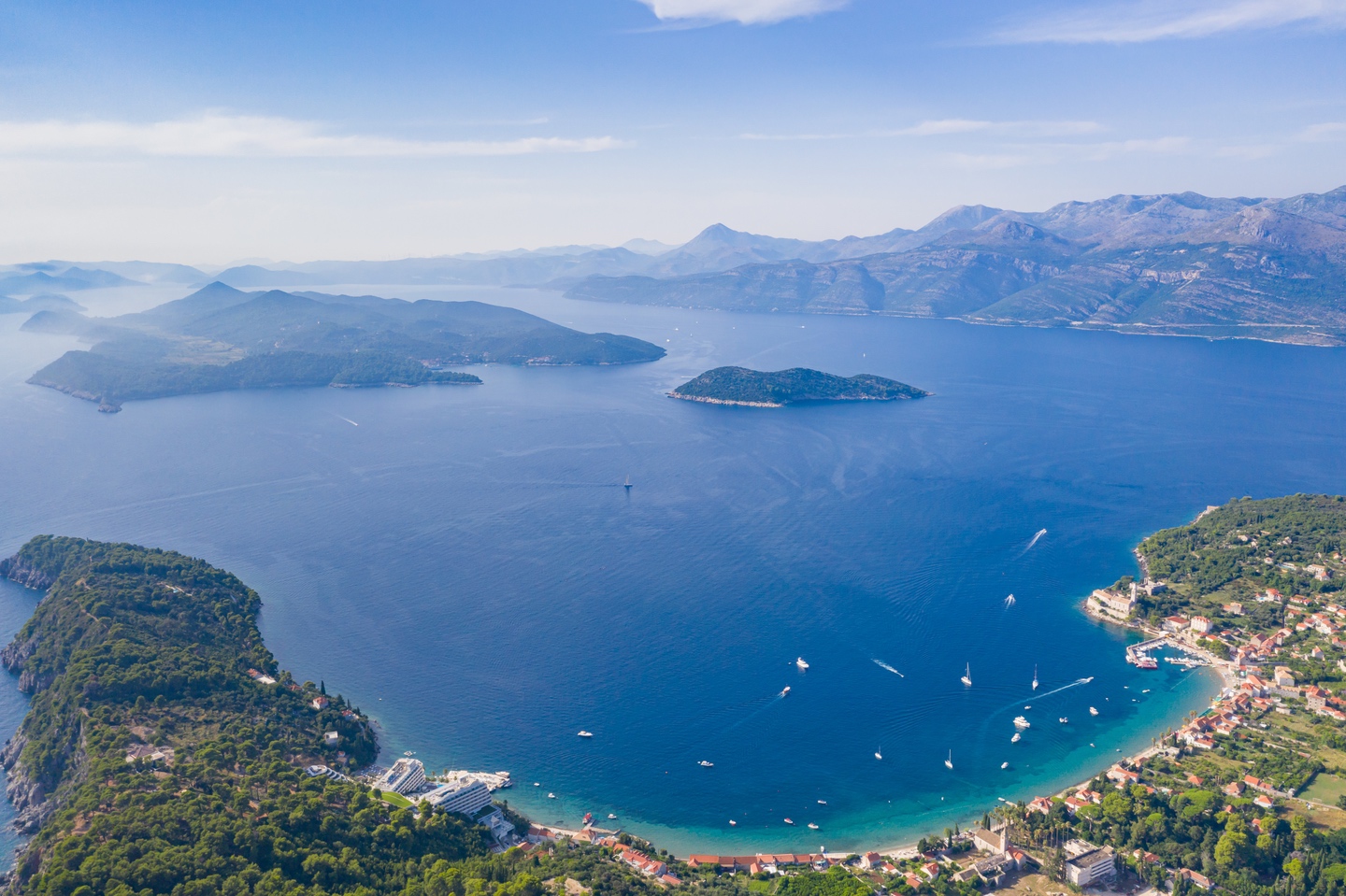
Elaphiti islands
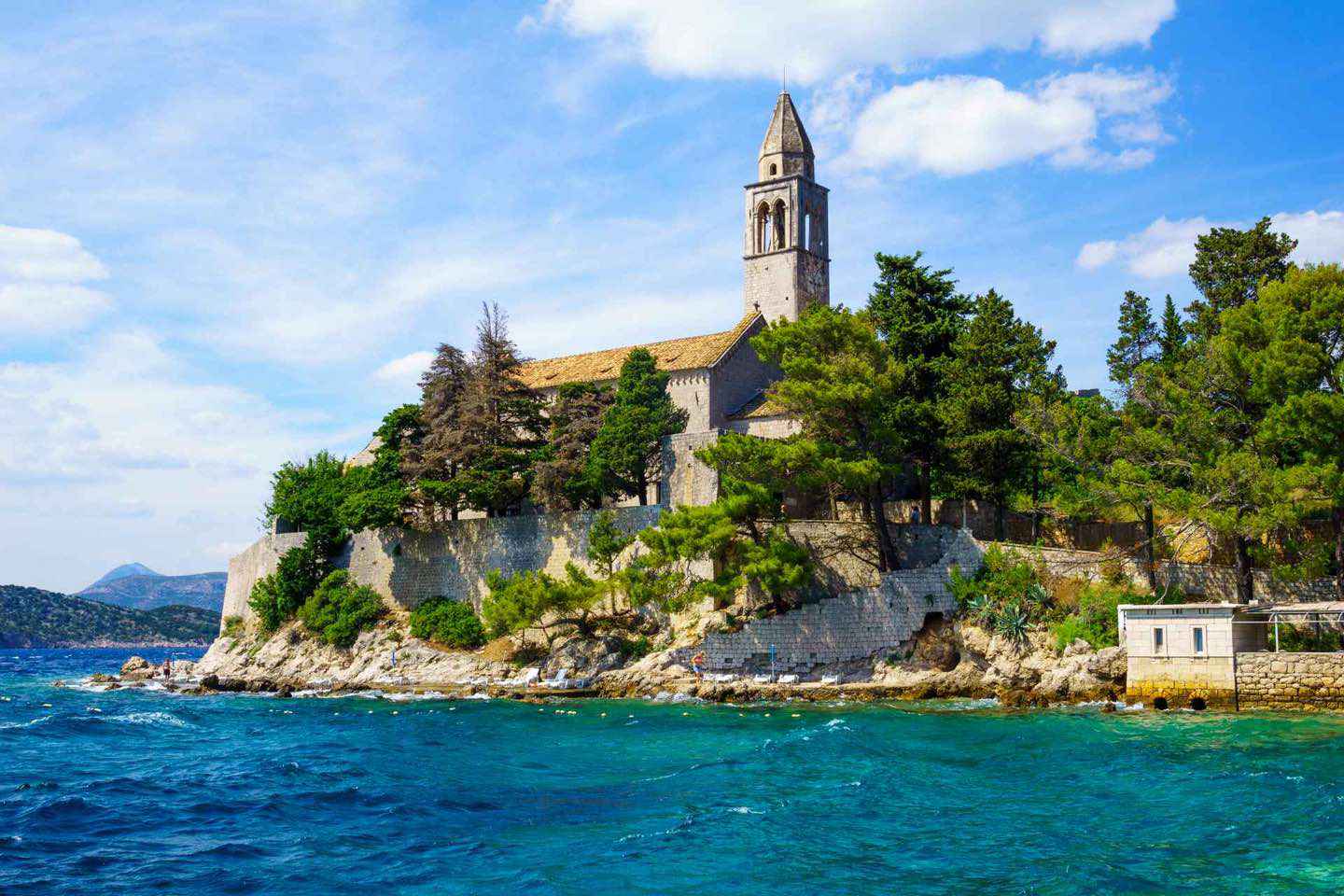
Koločep island

Blue Cave
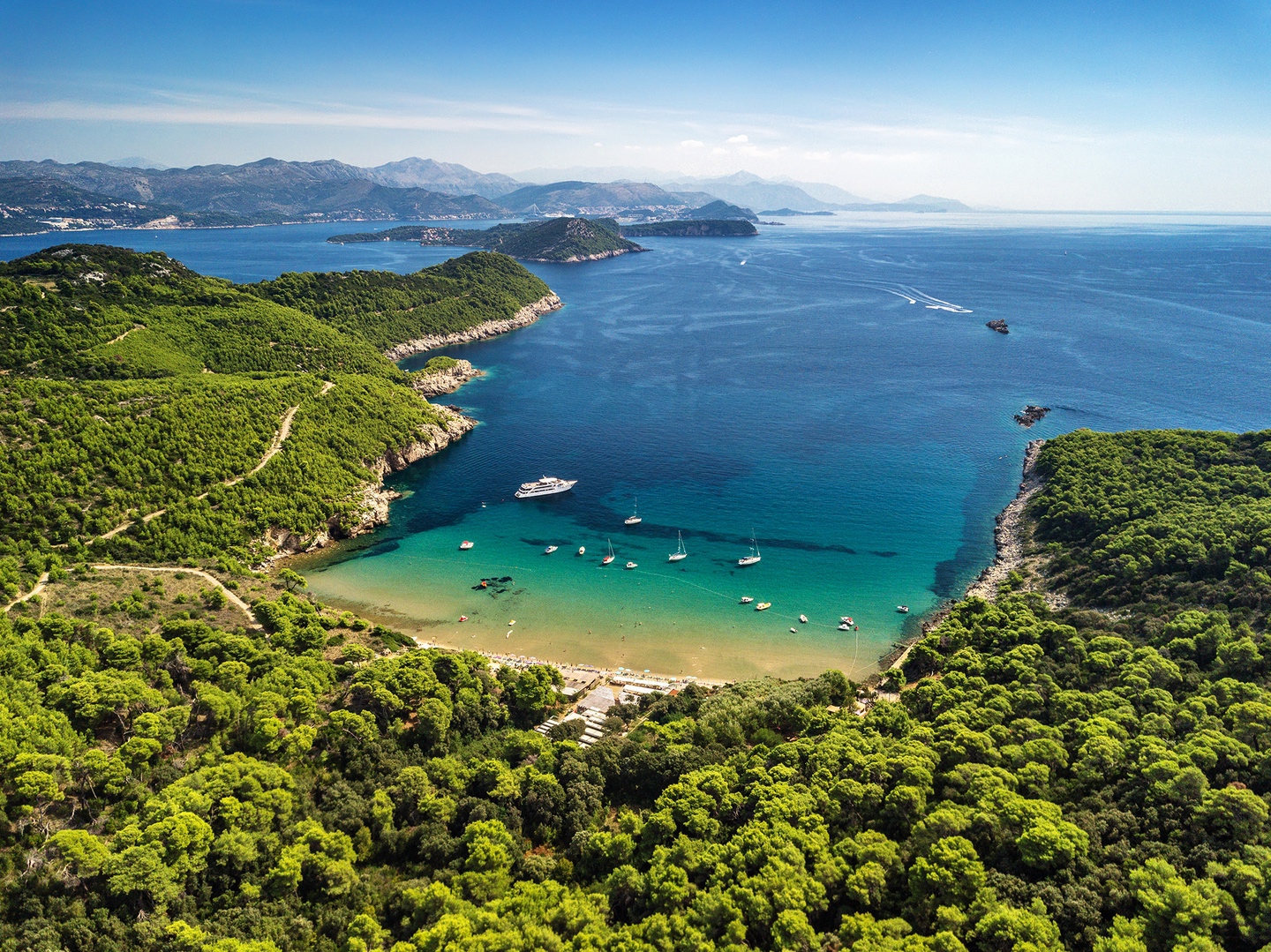
Šunj Beach (Lapad)
The Table — Where Dubrovnik Expresses Itself
Dubrovnik’s cuisine mirrors its history: Mediterranean at heart, shaped by trade, confident without excess. More relaxed but equally characteristic are Dubravka 1836, ideal for breakfast or a light lunch with fortress views; Lucin Kantun, compact and creative; Pizzeria Castro; Trattoria Carmen; and Bota Šare Oyster & Sushi Bar, where Dalmatian oysters meet a contemporary interpretation. Even Buža Bar returns here as a sunset ritual rather than a formal dining address.
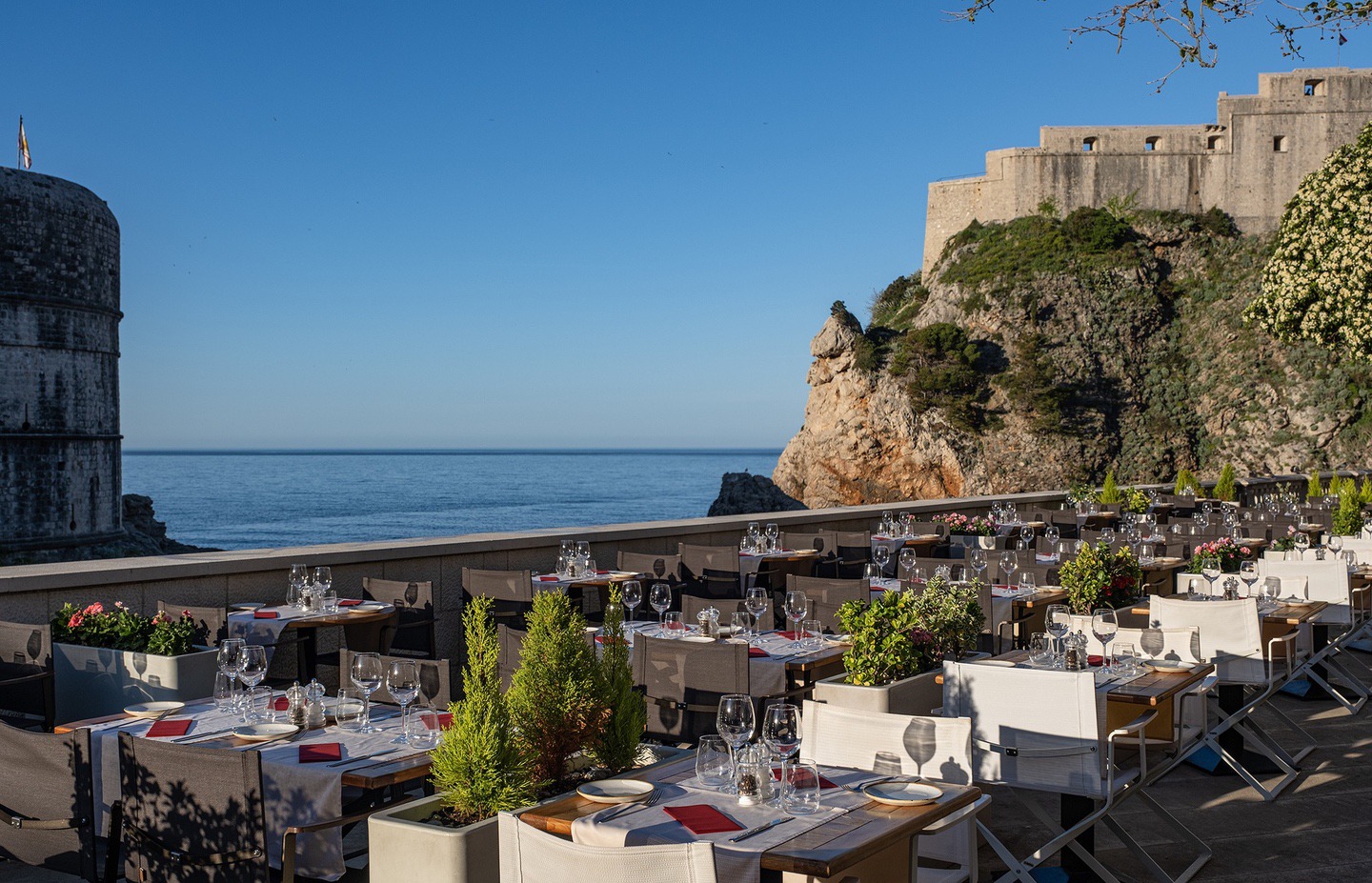
Dubravka 1836
For refined dining, several addresses stand out. Restaurant 360, set along the city walls, holds a Michelin star and offers contemporary tasting menus with Adriatic precision. Nautika, perched near Pile Gate, pairs fine seafood with views toward Lovrijenac and the open sea. Above 5 Rooftop Restaurant looks out across the Old Town from Prijeko Palace, while Posat, Proto, Port 22, and Stara Loza (featured by the MICHELIN Guide) each present variations on modern Mediterranean cooking grounded in local ingredients.
For atmosphere shaped by history, Gradska Kavana Arsenal occupies a grand waterfront building near the harbour, while the former Arsenal Restaurant retains subtle maritime references within its interior — a quiet nod to the city’s shipbuilding past.
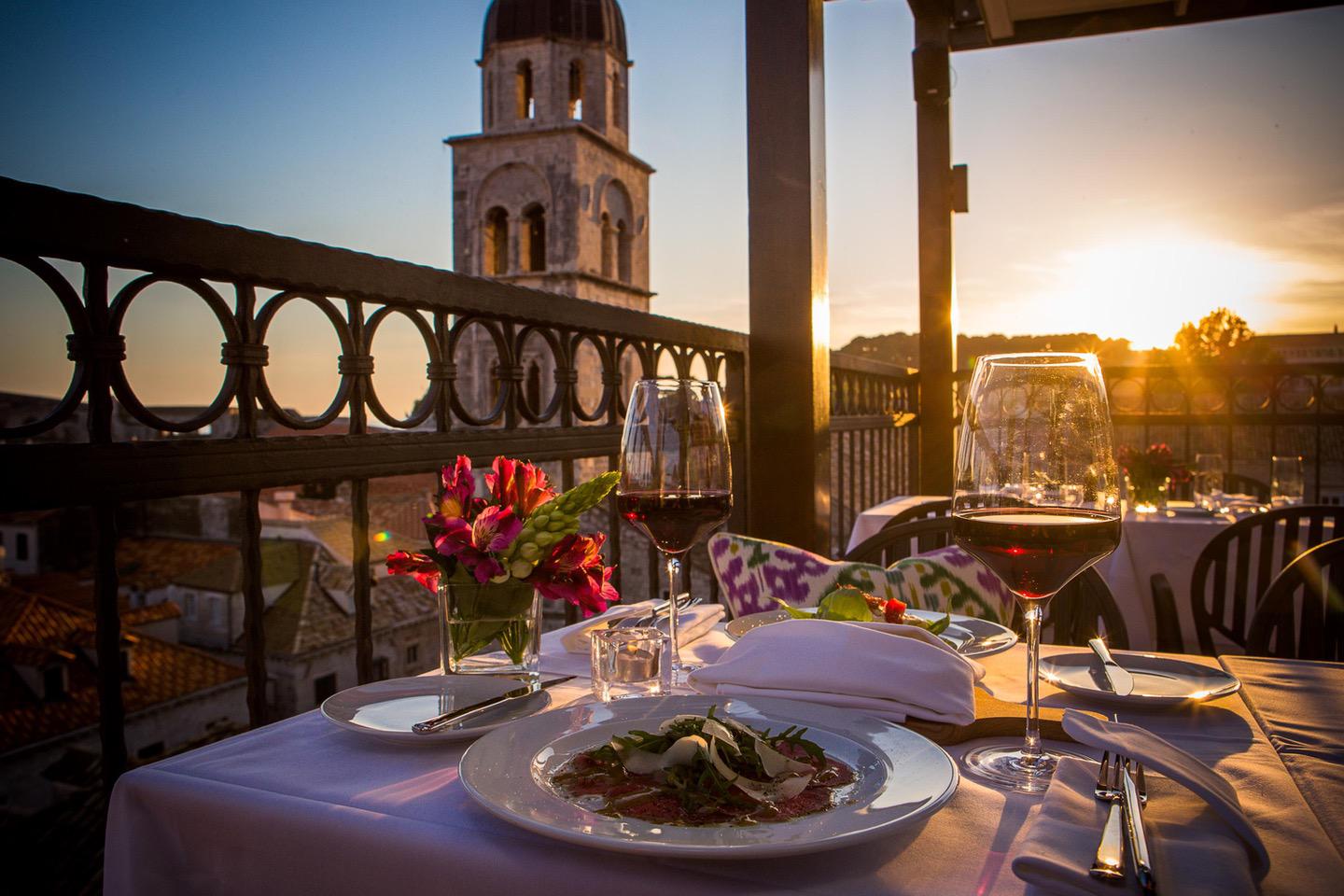
Above 5 Rooftop Restaurant
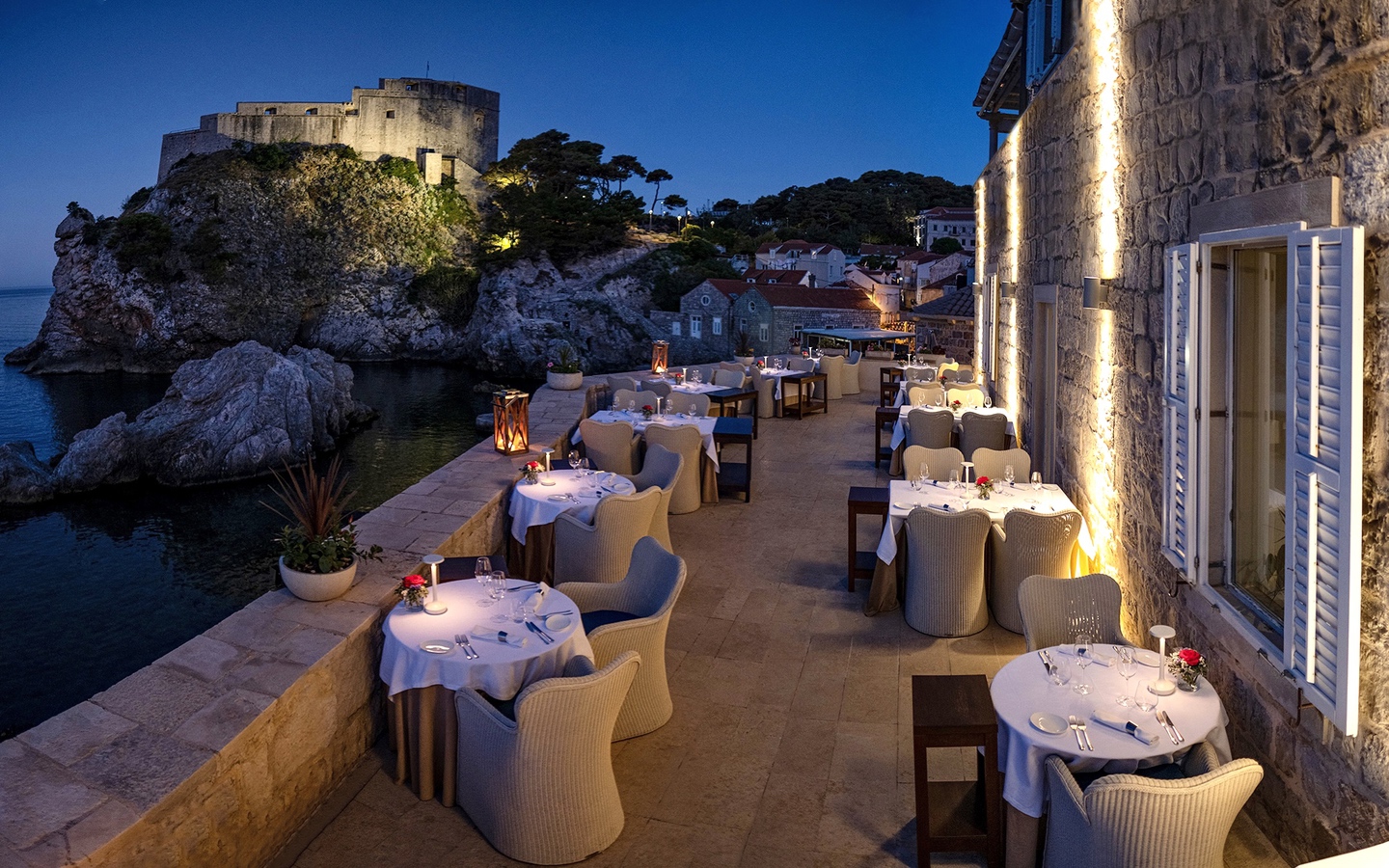
Restuarant Nautika
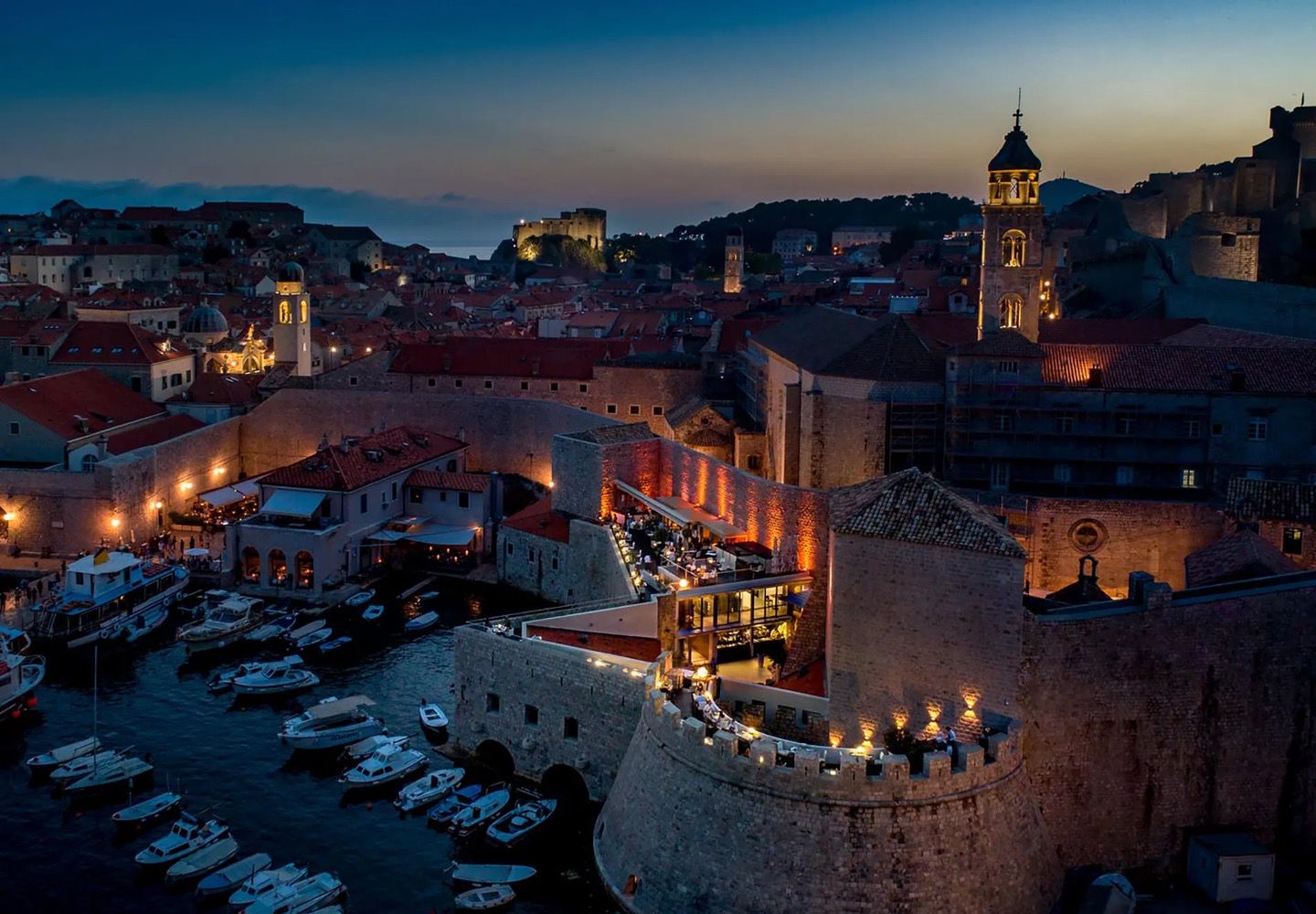
Restaurant 360
A City Measured in Stone and Light
Dubrovnik does not overwhelm by size; it persuades through proportion. The Old Town is compact, its perimeter walkable in under two hours, yet the layers — maritime ambition, diplomatic intelligence, architectural restraint — extend far beyond its walls.
Timing shapes the experience. High summer brings heat, festival energy, and the steady arrival of cruise ships. But spring — particularly April and May — offers a different clarity: mild temperatures ideal for walking the walls, markets returning to full rhythm in Gundulić Square, ferries running regularly to Lokrum, and cafés reclaiming their terraces without the density of July. The sea is cooler but increasingly swimmable by late May, and the city feels balanced rather than hurried. Early autumn, especially September, delivers similar equilibrium — warm water, softened crowds, and long evenings of light.
You can spend a single day here and feel satisfied. You can stay longer and begin to notice subtler details — the variation in roof tiles, the way the limestone reflects late-afternoon sun, the strategic placement of every bastion. Dubrovnik rewards attention. It always has.
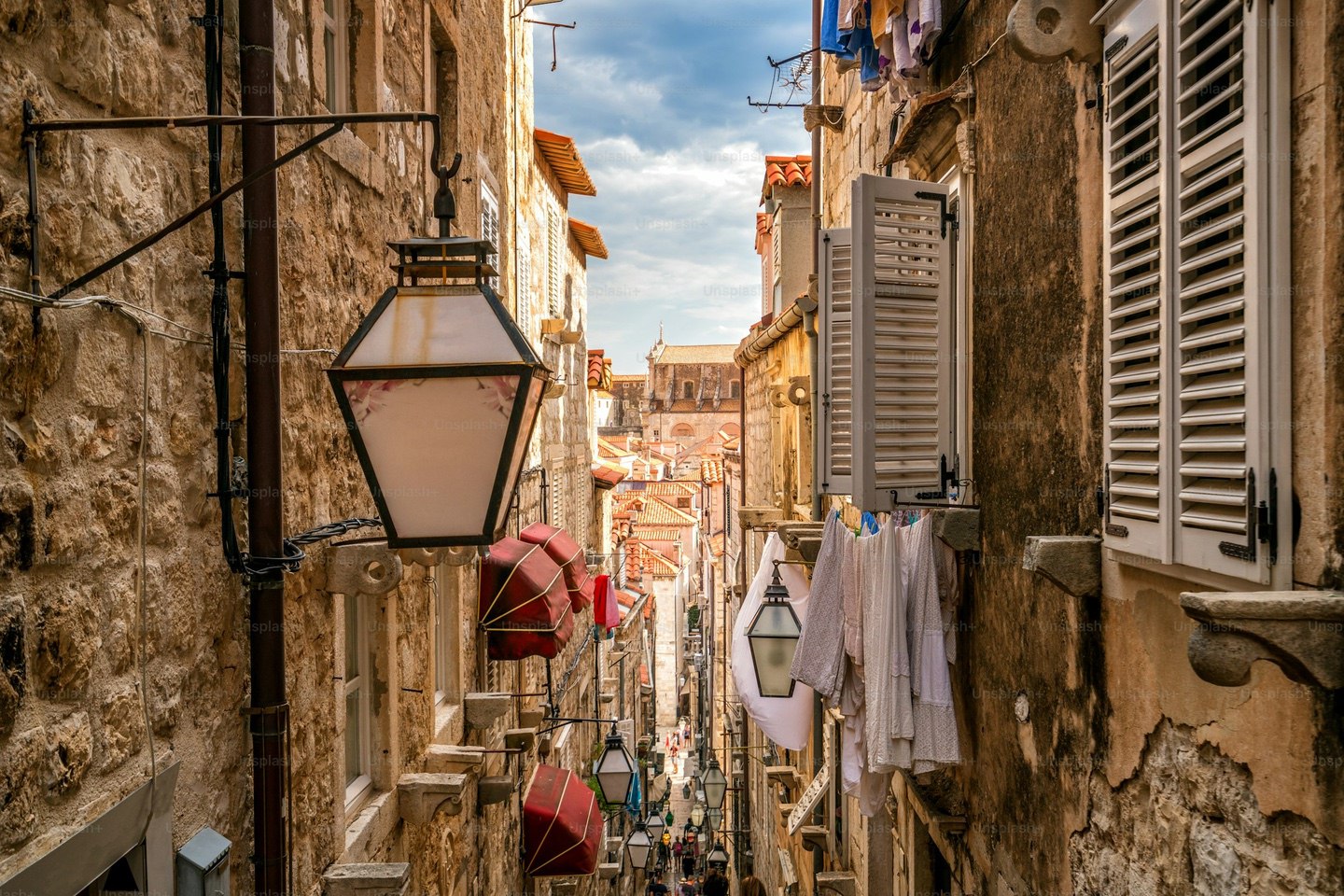
Dubrovnik streets